
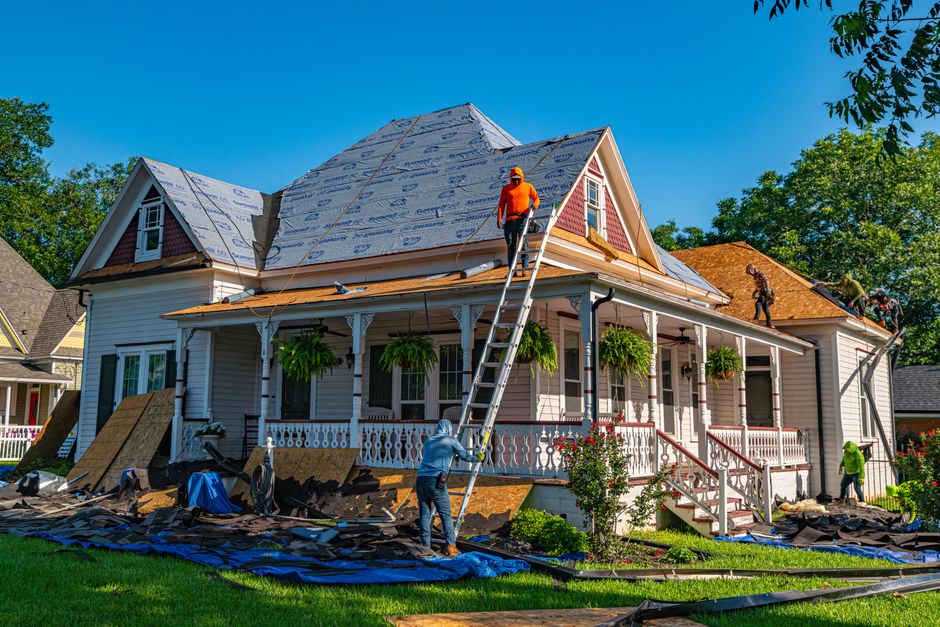
Roof cleaning can remove moss, algae, leaf buildup, and other debris, but the work becomes hazardous quickly. A wet roof is slippery, cleaning chemicals can damage roofing materials and landscaping, and ladders may be unstable on uneven ground or icy surfaces.
For households in Fayetteville, NY, roof maintenance often has to account for heavy rain, snow, freeze-thaw cycles, shade, and leaf accumulation. The safest approach is to inspect from the ground first, use the least aggressive cleaning method that fits the problem, and avoid climbing whenever conditions are uncertain.
Is it safe to clean a roof yourself?
It may be safe to handle minor cleaning from the ground or from a securely positioned ladder, but walking on a roof carries a meaningful fall risk. Asphalt shingles become especially slippery when wet, damp, moss-covered, or coated with cleaning solution.
Avoid climbing if the roof is steep, high, damaged, icy, visibly sagging, or difficult to reach without leaning a ladder against gutters. People who are uncomfortable with heights or unfamiliar with ladder safety should not attempt roof access.
Before starting, check for:
- Wet or frosty surfaces
- Strong wind, rain, or approaching storms
- Loose or missing shingles
- Sagging roof sections
- Brittle roofing materials
- Power lines near the work area
- Fragile skylights or roof-mounted equipment
If any of these conditions are present, cleaning should be postponed or handled by someone with the appropriate safety equipment and training.
What should be removed from a roof?
Roof cleaning is usually intended to remove surface growth and loose debris, not to restore a roof through force. Common materials include:
- Leaves, twigs, and small branches
- Pine needles
- Moss
- Algae staining
- Lichen
- Dirt and windblown debris
- Seedlings growing in accumulated organic material
A small amount of dark discoloration may be algae rather than dirt. Moss is more concerning because its roots and retained moisture can lift or weaken shingle edges over time. However, aggressive scraping can cause more damage than the growth itself.
Roof debris should also be distinguished from a roofing defect. Granules collecting in gutters, exposed underlayment, cracked flashing, or repeated leaks are not cleaning problems.
How can a roof be cleaned from the ground?
Ground-based cleaning is generally safer than walking on the roof. A telescoping soft-bristle brush or roof-cleaning tool may reach limited areas, but the tool should never be used with forceful pressure or swinging movements that could pull a person off balance.
A leaf blower may help remove dry leaves from a low-slope roof if the operator can remain on the ground and direct debris away from people, windows, vehicles, and neighboring property. Blowing upward from below can send debris into gutters, attic vents, or roof openings, so the direction of airflow matters.
A garden hose may rinse loose debris from a safe position, but high-pressure spray should be avoided. Water forced beneath shingle edges can contribute to leaks, especially where shingles are aged or already damaged.
What cleaning solution is safe for shingles?
For asphalt shingles, a mild cleaning solution is usually less risky than abrasive scrubbing or pressure washing. Cleaning products should be used exactly as directed, with attention to dilution, runoff, ventilation, and contact with skin and eyes.
Avoid:
- Chlorine-heavy mixtures used without proper dilution
- Strong solvents
- Abrasive powders
- Wire brushes
- Metal scrapers
- Unapproved acidic cleaners
- Pressure washers
Cleaning solutions can harm painted surfaces, plants, soil, siding, metal flashing, and outdoor fixtures. Before applying any solution, wet nearby vegetation thoroughly and protect sensitive surfaces. Afterward, rinse plants again with clean water.
Do not mix household chemicals. Combining products can release dangerous vapors or create reactions that are difficult to control outdoors.
Should moss be scraped off shingles?
Moss should not be aggressively scraped from asphalt shingles. Pulling or digging at moss can remove protective granules, loosen shingle tabs, and expose the roofing mat beneath.
A gentler approach is to apply an appropriate roof-safe treatment and allow the moss to weaken naturally. Dead material may then be removed gradually by rain and limited brushing, but it should not be torn away forcefully.
Moss may return if the roof remains shaded and damp. Trimming nearby branches can improve drying and reduce falling leaves, but branches should not be cut from a ladder while simultaneously attempting roof cleaning. That combination creates a balance and falling-object hazard.
Can a pressure washer be used on a roof?
Pressure washing is generally unsuitable for asphalt shingle roofs. The spray can strip away granules, lift shingle edges, damage flashing, and force water beneath the roofing system. It may also make older shingles appear cleaner while shortening their remaining service life.
Pressure washing may be appropriate for some non-roof surfaces, such as certain walkways or exterior walls, but equipment that is useful on concrete is not automatically safe for roofing.
The same caution applies to stiff brushes and scraping tools. A roof can look clean after harsh treatment while being left more vulnerable to ultraviolet exposure, wind, and moisture.
How should ladders be used during roof cleaning?
A ladder should stand on firm, level ground and extend above the roof edge enough to provide a secure handhold. It must be placed away from power lines, doors that may open, and areas where children or pets could approach.
Keep three points of contact while climbing: two hands and one foot, or two feet and one hand. Do not carry buckets, hoses, or bulky tools while climbing. Raise supplies separately with a rope or use tools that can be secured.
Never place a ladder on ice, snow, loose soil, wet leaves, boxes, or makeshift supports. In a season with repeated freezing and thawing, ground conditions can change during the same day.
What should happen to roof debris and runoff?
Plan the runoff path before using any cleaning solution. Block or redirect downspouts if necessary, but do not create a situation where water backs up against the roof or foundation.
Keep children and pets away from the work area. Moss, algae, sharp debris, nails, and cleaning chemicals can create hazards at ground level. Wear gloves and protective eyewear when handling debris or solutions, and use a dust mask if dry organic material is being disturbed.
Collected debris should be placed in a container rather than washed into storm drains or left in planting beds. Check gutters afterward for blockages, but do not lean beyond a ladder’s side rails to reach them.
When should roof cleaning be postponed?
Postpone cleaning during rain, frost, snow, strong wind, extreme heat, or any period when the roof will remain wet for an extended time. Morning dew can be enough to create unsafe footing, even when the weather forecast appears favorable.
Cleaning should also wait until roof damage has been evaluated if there are leaks, missing shingles, exposed nails, sagging areas, damaged vents, or loose flashing. Washing a damaged roof can make water entry worse.
For homes with steep roof planes, multiple stories, fragile materials, skylights, or difficult access, the safest choice is to avoid personal roof access altogether. Cleaning from the ground and maintaining nearby trees and gutters may address some buildup without adding fall risk.
How often should a roof be checked?
A visual inspection from the ground in spring and fall is often useful, especially after storms or heavy leaf drop. Look for dark streaks, moss patches, clogged gutters, branches resting on shingles, and areas that stay shaded or damp.
After major snowfall, do not climb onto the roof to remove snow. Snow loads and icy footing create serious hazards, and improvised removal can damage shingles. Roof problems that appear after winter are better identified through careful ground observation or a properly equipped inspection.
A clean roof is not necessarily a healthy roof. Safe maintenance means removing harmful buildup without damaging the roofing surface or exposing anyone to unnecessary falls.
