

Weather affects a roof gradually and sometimes suddenly. In Fayetteville, NY, repeated snow, ice, freeze-thaw cycles, rain, wind, and summer heat can weaken roofing materials, increase moisture exposure, and reveal small problems that may otherwise go unnoticed.
Understanding how each condition affects the roof helps residents recognize warning signs early and reduce avoidable damage.
How does winter weather affect a roof?
Winter affects a roof through weight, moisture, freezing temperatures, and repeated changes between melting and refreezing. Snow and ice do not always cause immediate damage, but accumulated stress can become serious during long storms or multiple weather events close together.
Heavy snow places downward pressure on the roof structure. Wind may also move snow into concentrated drifts around valleys, roof edges, dormers, chimneys, and changes in roof height. A roof can experience greater stress from uneven drifts than from an even layer of snow.
Watch for:
- New sagging along the roofline or ceiling
- Cracks appearing in ceilings or upper walls
- Doors that suddenly become difficult to open
- Water stains after a snowstorm
- Unusual creaking or shifting sounds
- Large accumulations around roof valleys or lower roof sections
Residents should avoid climbing onto a snow-covered roof. Snow removal can also damage shingles, flashing, and gutters if improper tools or techniques are used. Structural concerns, major snow accumulation, or signs of movement require prompt attention because roof loading can become a safety issue.
What causes ice dams?
Ice dams form when heat escapes into the attic and warms portions of the roof while the eaves remain cold. Snow melts higher on the roof, flows toward the colder edge, and refreezes. Over time, the ice blocks drainage and allows additional meltwater to collect behind the dam.
The trapped water may work beneath shingles or enter around flashing. Interior signs can include:
- Brown or yellow ceiling stains
- Damp attic insulation
- Peeling paint near upper walls
- Wet rafters or roof decking
- Dripping around windows on upper floors
- Icicles accompanied by water damage
Large icicles do not always prove that an ice dam is present, but they often indicate that melting and refreezing are occurring. Gutter blockage can make the problem worse, although ice dams are usually related to attic heat loss, roof temperature differences, and ventilation—not simply dirty gutters.
Good attic insulation and balanced ventilation help keep the roof surface more uniform in temperature. These improvements should be planned carefully because blocking vents or adding insulation incorrectly can trap moisture in the attic.
Can rain damage a roof even without a storm?
Yes. Repeated ordinary rainfall can expose weak points in shingles, flashing, valleys, pipe penetrations, skylights, and roof-to-wall connections. A roof does not need to be visibly missing shingles to develop a leak.
During prolonged wet periods, small defects may allow water into the roof assembly. Moisture can then spread along decking, rafters, insulation, and ceiling materials before a stain appears inside the home.
Rain-related warning signs include:
- Water stains that grow after each rainfall
- Damp or musty attic areas
- Soft roof decking
- Mold-like discoloration on framing
- Granules collecting in gutters or downspouts
- Drips near chimneys, vent pipes, or exterior walls
A ceiling stain should not be judged only by its size. A small mark can come from a larger hidden moisture path, while a large old stain may no longer be active. Tracking the stain after different weather conditions can help determine whether the leak is ongoing.
How do wind and severe storms affect roofing?
Wind can lift shingle edges, loosen flashing, damage ridge caps, and push rain into areas that normally remain dry. Even moderate wind becomes more damaging when roofing materials are already brittle, poorly fastened, or weakened by age.
Storm damage is not always visible from the ground. Missing shingles are obvious, but lifted edges, cracked seal strips, and displaced flashing can create future leaks without changing the roof’s overall appearance.
After strong wind, a safe ground-level inspection may reveal:
- Shingles in the yard or near downspouts
- Uneven rows or raised shingle edges
- Exposed underlayment
- Bent metal flashing
- Damaged chimney caps or vent covers
- Branches resting on the roof
- Granules or roofing fragments around the foundation
Do not walk beneath unstable branches or climb onto a wet or damaged roof. Wind can also turn loose roofing materials into hazards for people, vehicles, windows, and neighboring property.
Does summer heat affect roofing materials?
Summer heat can accelerate aging, especially when dark roofing surfaces reach much higher temperatures than the surrounding air. Repeated heating and cooling cause materials to expand and contract. Over many seasons, this movement can contribute to cracking, curling, blistering, and loss of flexibility.
Heat also affects attic conditions. If the attic becomes excessively hot or humid, roof sheathing and insulation may deteriorate more quickly. Moisture from the living space can condense on cooler surfaces, particularly when air leaks around light fixtures, attic hatches, ductwork, or plumbing penetrations.
Signs of heat- or attic-related problems include:
- Curling or brittle shingles
- Blisters or raised areas
- Excessive heat in the attic
- Damp insulation
- Rusted nails or fasteners
- Peeling paint near the upper floor
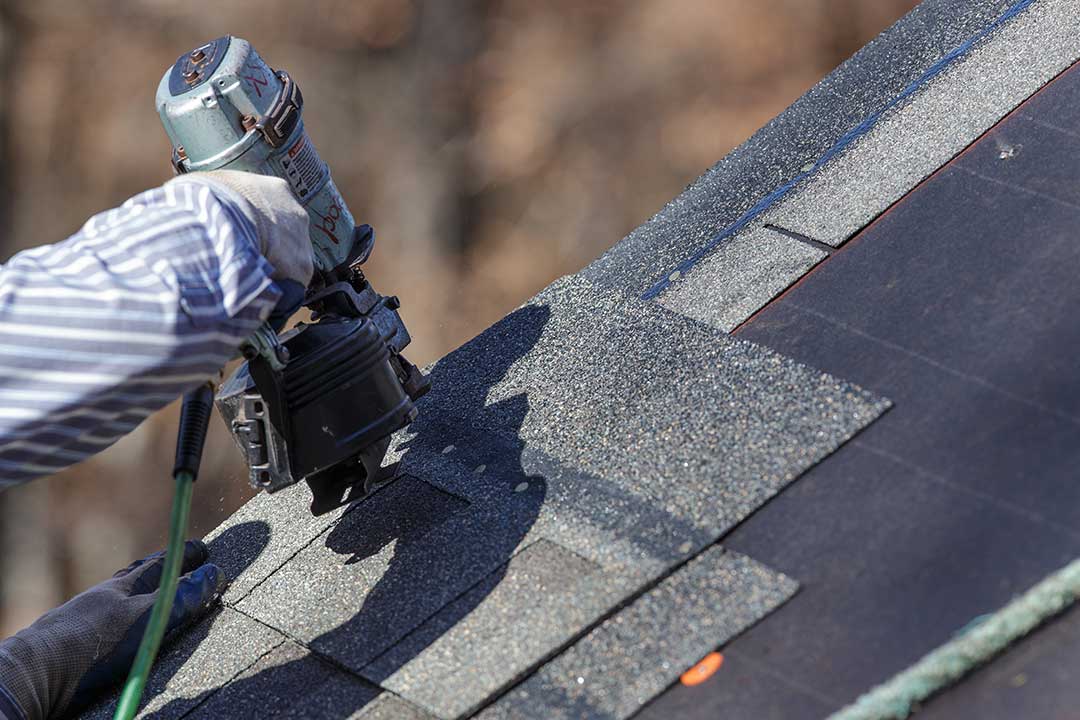
Roof color, material, ventilation, insulation, and roof design all influence how much heat the roof absorbs. A roof that appears sound from outside may still have attic moisture or ventilation problems underneath.
Why are freeze-thaw cycles hard on roofs?
Freeze-thaw cycles are especially demanding because water expands when it freezes. Moisture that enters small cracks, seams, or porous materials can freeze and enlarge those openings. When temperatures rise, the water melts and moves farther into the assembly.
This cycle can affect:
- Flashing seams
- Masonry around chimneys
- Roof valleys
- Shingle edges
- Gutter joints
- Fastener openings
- Cracks in roof coatings or sealants
Freeze-thaw damage tends to develop slowly. A roof may perform normally during one winter and begin leaking the following season after enough cycles have widened a weak area.
Which roof areas deserve the closest attention?
The most vulnerable areas are usually places where materials meet or where water changes direction. These include valleys, eaves, rakes, chimneys, skylights, plumbing vents, dormers, and roof sections connected to exterior walls.
Gutters and downspouts also influence roof performance. If leaves, ice, or debris block drainage, water may back up against roof edges and fascia boards. Downspouts that discharge too close to the foundation can create additional moisture problems around the house.
Older homes may have multiple roof sections, additions, enclosed porches, or attic changes that create complicated drainage patterns. These areas deserve particular attention after heavy rain, snow, or wind.
What roof checks are useful after severe weather?
A safe seasonal check from the ground and attic can identify many problems early. Look for changes rather than trying to judge the roof only by its age.
Useful observations include:
- Shingles that are missing, cracked, curled, or displaced
- Water stains that appear or expand
- Daylight visible through the attic roof deck
- Damp insulation or wet framing
- Blocked gutters and downspouts
- Sagging roof sections
- Fallen branches or punctures
- New drafts or daylight around attic penetrations
Any roof showing structural sagging, active leaking near electrical fixtures, major storm damage, or signs of collapse presents a safety concern. Keep people away from the affected area and address the hazard promptly.
Weather damage is easier to manage when small changes are noticed before the next storm, freeze, or heavy snowfall. In a climate with demanding seasonal shifts, regular observation of the roof, attic, gutters, and ceilings provides a practical way to understand how the building is responding to the weather.
