

What Are Roof Fire Ratings?
Roof fire ratings are official classifications that measure how well a roofing material can resist fire. These ratings help residents of Fayetteville, NY understand the level of protection a roof offers in the event of fire exposure—important for both safety and compliance with building codes. A roof’s fire rating reflects how it performs under standardized fire tests, not how it responds to every possible fire scenario in a real home or neighborhood.
The main goal of these ratings is to guide homeowners and builders in choosing roofing systems that help slow the spread of flames, giving occupants and emergency responders valuable time.
How Are Roof Fire Ratings Assigned?
The most widely recognized roof fire ratings in the United States are Class A, Class B, and Class C:
- Class A: Provides the highest level of fire resistance, able to withstand severe fire exposure. Most asphalt shingles, tile, slate, and metal roofs fall into this category when installed as part of a rated system.
- Class B: Offers moderate protection, typically against moderate fire exposure. Some treated wood shakes and shingles are included here.
- Class C: Represents basic fire resistance, protecting against light fire exposure. Some lower-cost wood shingles and materials meet only this threshold.
Independent third-party organizations, such as Underwriters Laboratories (UL), perform the testing for these classes. Tests might include subjecting roof material samples to a burning brand, a simulated wind-driven fire, or flame spread scenarios.
Why Does Fire Resistance Matter in Fayetteville?
Fayetteville is known for its mix of historic homes and newer construction, with tree-lined streets and leafy suburbs typical of Central New York. Local properties may be at risk from several fire sources:
- Chimney sparks landing on roofs during winter wood stove use
- Wildfire embers, though rare, can affect outlying homes backing onto wooded areas
- Summer grilling accidents or Fourth of July fireworks in close neighborhoods
High fire resistance can slow the spread if burning debris lands on a roof. This is particularly important in homes with mature trees nearby or in areas with tighter spacing between houses, where flames can spread quickly from roof to roof under the right conditions.
What Building Codes Address Roof Fire Resistance?
Building codes in the area generally require the installation of materials with specific fire ratings, especially for new builds or significant repairs. For most single-family homes, the requirement is a Class A rating, but checking with the relevant municipal office or the local building inspector ensures compliance.
Older homes may have grandfathered roofing materials, but replacement projects must typically meet current safety standards. Insurance companies may also offer better terms for homes with higher-rated roofs.
How Do Roofing Materials Compare?
Each roofing material offers a different level of fire resistance. The final rating is determined not just by the outermost visible material, but by the entire roof system, including underlayments and deck.
- Asphalt Shingles: Most commonly used in Fayetteville and generally rated Class A when installed with proper underlayment.
- Metal Roofing: Non-combustible by nature, offering highly rated fire protection and popular for both durability and safety.
- Clay and Concrete Tiles: Heavy and usually Class A, but installation details are crucial to retain this rating.
- Wood Shakes: Naturally a lower rating, but can be factory-treated to meet Class B or, in some cases, Class A standards with special installation techniques.
- Synthetic Roofing: Varies widely by product, so check certifications closely.
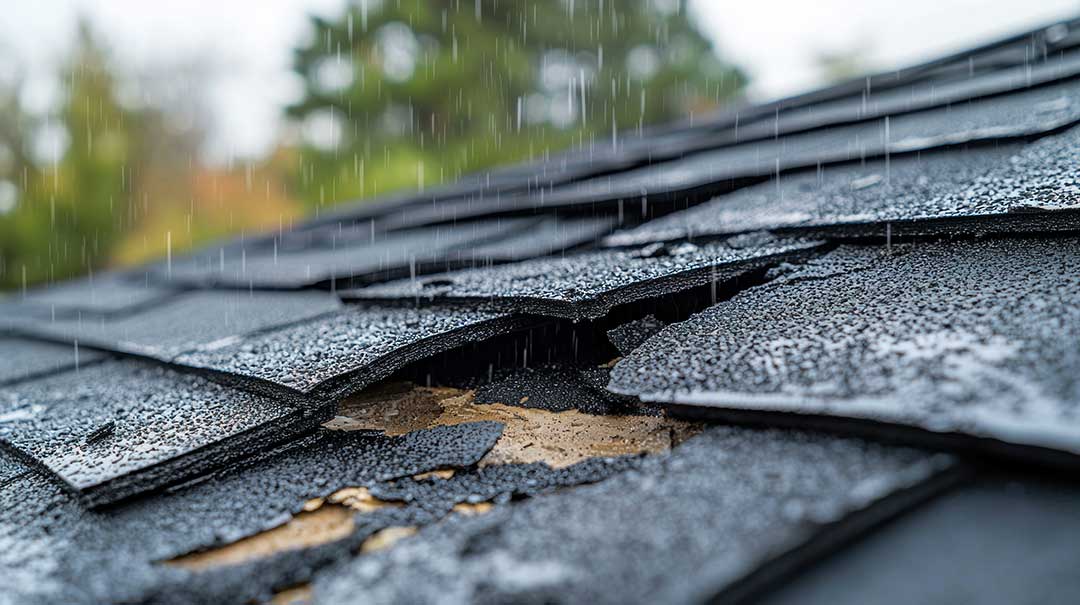
Roof pitch, ventilation, and installation quality can influence overall resistance. Ask for details about the full assembly’s fire rating, not just the surface material.
Are There Common Misconceptions About Fire Ratings?
Fire ratings measure resistance but do not make a roof “fireproof.” No roof eliminates fire risk. A Class A roof slows ignition and reduces flame spread, buying time but not guaranteeing survival against an intense fire event.
Some residents mistakenly assume any new roof meets the highest standard, but product choices and how they’re installed directly affect outcomes. For instance, layering new shingles over old ones can compromise fire resistance, as can improper use of underlayments not rated for fire.
What Are Practical Steps for Local Residents Concerned About Roof Fires?
Local homeowners wishing to improve fire safety can:
- Choose the highest-rated roofing system possible when replacing or repairing a roof.
- Keep the roof, gutters, and valleys free of accumulated leaves, pine needles, and debris, especially in fall and spring, to minimize ignition risks.
- Trim back tree branches that overhang the roof to reduce the chance of embers landing and starting a fire.
- Review home insurance documents to see if roof fire ratings affect coverage or premium costs.
Residents living near wooded lots or parks may want to pay particular attention to fire-resistive features, even if wildfires are not common in the community, as climate variability can affect future risk patterns.
How Can Residents Verify a Roof’s Fire Rating?
When planning a replacement or repair, ask about the specific class of fire rating and make sure documentation or product literature confirms compliance. Roof labels, packaging, or warranty documents often note UL or ASTM test results. For older homes, building department records or home inspection reports may give clues about the existing system’s rating.
Awareness of the difference between brand marketing claims and official ratings helps avoid assumptions. Only fire ratings tested according to recognized standards should be counted as reliable.
