
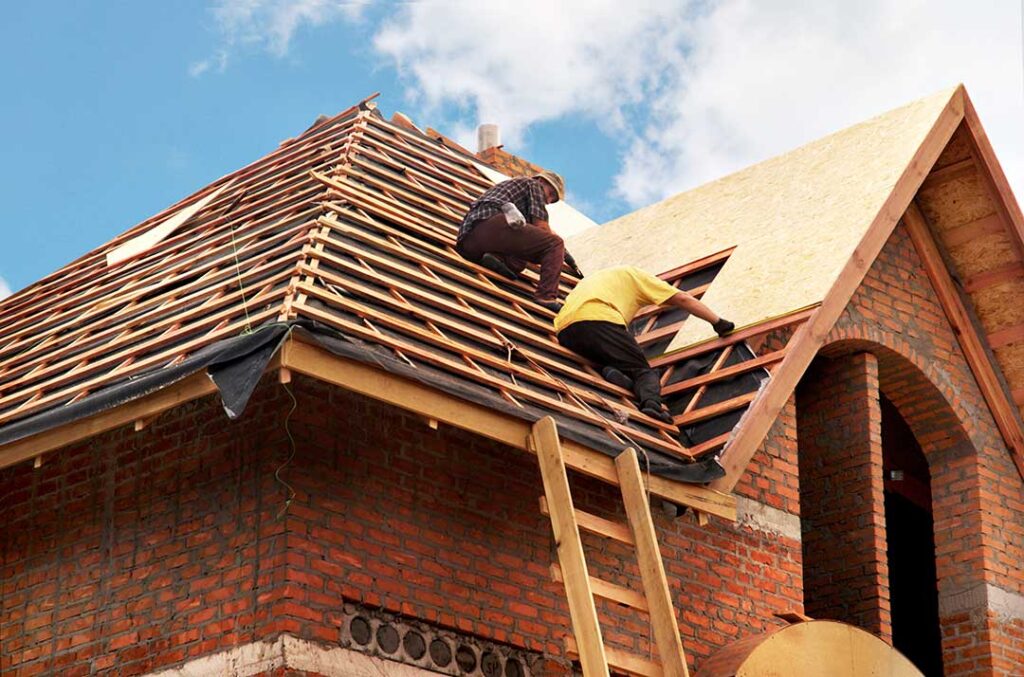
Roof leaks rarely begin as a dramatic event. More often, water enters through a small weakness, travels along roofing materials or framing, and appears indoors some distance from the original problem. In Fayetteville, NY, seasonal snow, ice, rain, wind, and repeated freeze-thaw cycles can expose these weaknesses over time.
Understanding the likely source helps residents respond appropriately, protect interior areas, and avoid mistaking one type of moisture problem for another.
What are the most common causes of roof leaks?
The most common causes include damaged shingles, aging roofing materials, failed flashing, clogged drainage systems, ice dams, improper roof penetrations, and storm-related damage. Poor ventilation and condensation can also create moisture that resembles a leak.
The visible stain on a ceiling does not always identify the entry point. Water can move beneath shingles, along roof decking, around insulation, or across rafters before becoming noticeable inside the home.
How do damaged or missing shingles cause leaks?
Shingles protect the roof deck from direct exposure to rain and melting snow. Cracked, curled, lifted, or missing shingles create openings where water can reach the underlayment and wood decking.
Damage may result from:
- High winds lifting shingle edges
- Hail or falling branches
- Foot traffic on older roofing
- Long-term sunlight and temperature changes
- Fasteners that loosen or back out
- Shingles that have become brittle with age
A small damaged area may leak only during wind-driven rain or when snow melts. That intermittent pattern can make the problem difficult to notice. Granules collecting in gutters, exposed dark patches, or shingle edges that no longer lie flat are signs worth observing from ground level.
Why is flashing a frequent source of water entry?
Flashing is installed where the roof meets another surface or where water needs to change direction. Common locations include chimneys, roof-to-wall intersections, valleys, skylights, plumbing vents, and dormers.
Flashing can leak when it is:
- Corroded or damaged
- Pulled loose by movement
- Installed with gaps or inadequate overlap
- Covered with deteriorated sealant
- Improperly integrated with surrounding shingles
Sealant alone is not a permanent substitute for correctly installed flashing. Roofs and walls expand and contract through seasonal temperature changes, and rigid or aging sealants may crack. A leak near a chimney or wall may therefore originate at a higher point than the interior stain suggests.
Can clogged gutters and downspouts cause roof leaks?
Yes. Gutters do not usually cause a roof leak by themselves, but clogged or poorly draining systems can keep water against roofing edges, fascia, and wall surfaces.
Leaves, twigs, and roof granules may restrict water flow. During heavy rain, water can overflow behind the gutter or collect near the roof edge. Repeated exposure can damage wood components and allow moisture behind exterior materials.
In a community with mature trees and pronounced seasonal weather, roof drainage deserves attention in both autumn and spring. Gutters should be viewed from the ground for sagging, overflow marks, and plants growing inside them. Downspouts should discharge water away from the foundation rather than allowing it to pool beside the house.
What are ice dams, and how do they lead to leaks?
An ice dam forms when snow on a roof melts in a warmer upper area, flows toward a colder eave, and refreezes. The resulting ice blocks normal drainage. Meltwater may then work beneath shingles and into the roof assembly.
Ice dams are more likely when a roof has uneven temperatures caused by heat escaping from the living space, insufficient insulation, blocked ventilation, or a combination of these conditions. They can also develop after repeated cycles of daytime warming and nighttime freezing.
Not every roof with snow develops an ice dam, and removing snow from the roof does not correct the underlying heat-loss pattern. Residents should avoid climbing onto an icy roof or striking ice with tools, since both actions can create additional damage and serious safety risks.
How do roof penetrations create leaks?
Every opening in a roof creates a potential weak point. Plumbing vent pipes, exhaust vents, chimneys, skylights, satellite equipment, and other penetrations require carefully fitted boots, flashing, and seals.
Rubber or flexible components around vent pipes can crack with age. Fasteners may loosen, and flashing may be damaged by wind or maintenance work. A vent leak may appear near a bathroom or kitchen ceiling, but the visible stain may not be directly below the penetration.
Moisture around a vent opening should not automatically be blamed on plumbing. Roof water and indoor plumbing leaks can produce similar ceiling marks, so the timing of the moisture is useful evidence. A stain that appears only after rain or snowmelt points toward the exterior, while moisture that occurs during plumbing use may suggest a different source.
Can poor ventilation or condensation look like a roof leak?
Yes. Not all roof-related moisture comes from precipitation. Warm, humid indoor air can move into a cold attic and condense on roof decking, nails, insulation, or ventilation components.
Condensation problems may become more noticeable during cold weather. Warning signs include:
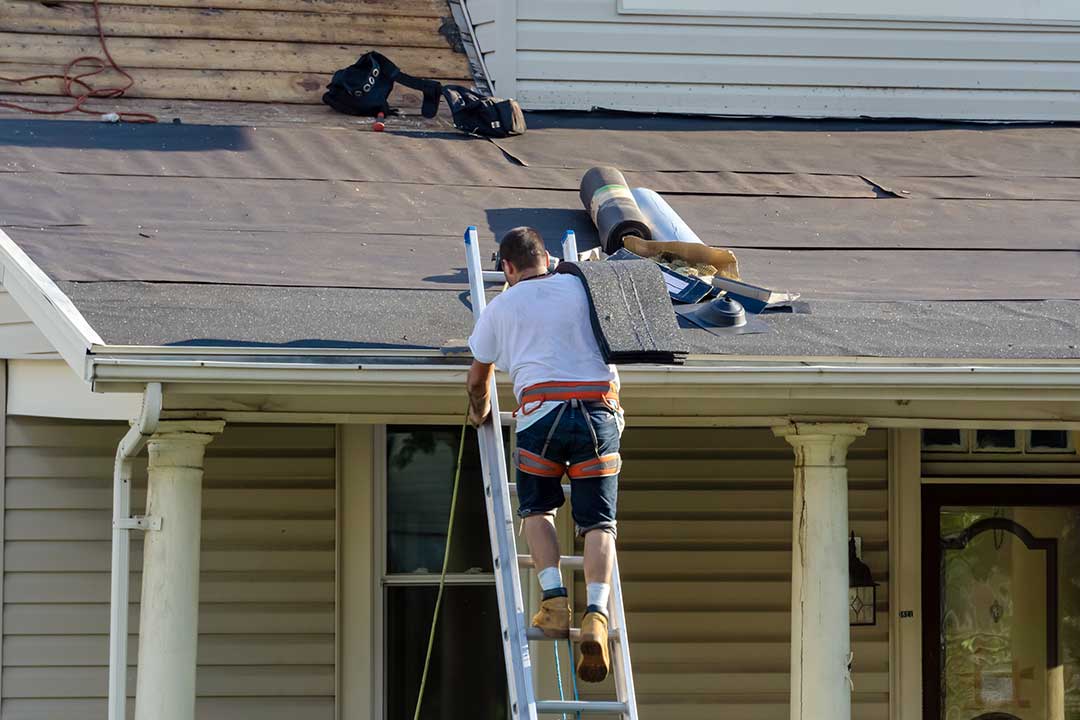
- Frost or water droplets in the attic
- Damp insulation
- Musty odors
- Staining spread across a broad area
- Moisture that appears without rain
- Rust on exposed fasteners
Bathroom fans, kitchen exhaust, and dryers should vent outdoors rather than into an attic. However, adding a vent without addressing air leakage or insulation may not solve the problem. A balanced attic ventilation system is intended to work with proper air sealing and insulation, not replace them.
How can valleys and roof edges develop leaks?
Roof valleys carry concentrated water from two roof slopes into a drainage path. Because they handle more runoff than most other areas, installation defects or accumulated debris can become significant.
Leaks may occur when valley materials are punctured, improperly overlapped, exposed by erosion, or blocked by leaves and ice. Roof edges can also be vulnerable when drip-edge components are missing, damaged, or installed incorrectly.
Water entering at a valley may travel down the roof deck before appearing near an exterior wall or ceiling. This is why a stain located far from a roof valley does not rule the valley out as the source.
What storm damage should residents look for?
Wind, hail, falling limbs, and heavy snow can cause both immediate and delayed leaks. Some damage is obvious, such as a missing shingle or puncture. Other problems are subtle, including lifted tabs, bruised shingle surfaces, displaced flashing, and cracked vent covers.
After severe weather, a ground-level inspection can look for:
- Shingles in the yard
- New dark or irregular roof patches
- Leaning vents or metal components
- Broken branches resting on the roof
- Gutter sections that have pulled away
- New attic or ceiling moisture
Roof inspections become hazardous when surfaces are wet, icy, steep, or unstable. A safe assessment may require specialized equipment, particularly after wind or snow events.
Why should a small ceiling stain not be ignored?
A small stain may represent a limited leak, but it can also be the visible end of a larger hidden moisture path. Continued dampness can affect insulation, drywall, wood framing, paint, and indoor air quality. The longer materials remain wet, the more difficult it may be to determine when the problem began.
Residents can document the location, date, weather conditions, and whether the stain grows. Containers can catch active drips, but ceiling materials should not be disturbed if they are bulging, sagging, or near electrical fixtures. Water near wiring, a rapidly spreading stain, or visible structural damage requires prompt attention for safety reasons.
A roof leak is usually easier to understand when the roof surface, attic, drainage system, and indoor moisture patterns are considered together. In Fayetteville, changing seasons make regular observation especially useful: check after major storms, watch for ice-dam conditions in winter, and inspect drainage after leaves fall.
