
Roofing materials differ in cost, weight, lifespan, maintenance needs, appearance, and resistance to weather. For homeowners in Fayetteville, NY, the most useful comparison usually centers on winter performance, ice and snow, roof slope, structural capacity, and how long the material is expected to remain in service.
No single roofing material is ideal for every house. A material that performs well on a steep, traditional roof may be unsuitable for a low-slope addition or garage. The condition of the roof deck, attic ventilation, flashing, and drainage also affect performance as much as the visible covering.
What should local homeowners consider first?
The roof’s shape and the building’s structure should be evaluated before comparing materials. A heavy roof covering may require structural review, while some materials need a minimum slope to shed water properly.
In this area, practical considerations include:
- Repeated freeze-thaw cycles
- Snow and ice accumulation
- Wind-driven rain
- Ice dams caused by uneven attic temperatures
- Moss or algae in shaded areas
- Snow sliding from smooth roof surfaces
- The weight of the material on the existing roof structure
- Availability of matching materials for future repairs
New York’s residential building requirements address roof coverings, underlayment, drainage, wind resistance, and reroofing. Local code requirements may also affect whether an existing roof can be covered over or must be removed down to the roof deck.
Are asphalt shingles a practical choice?
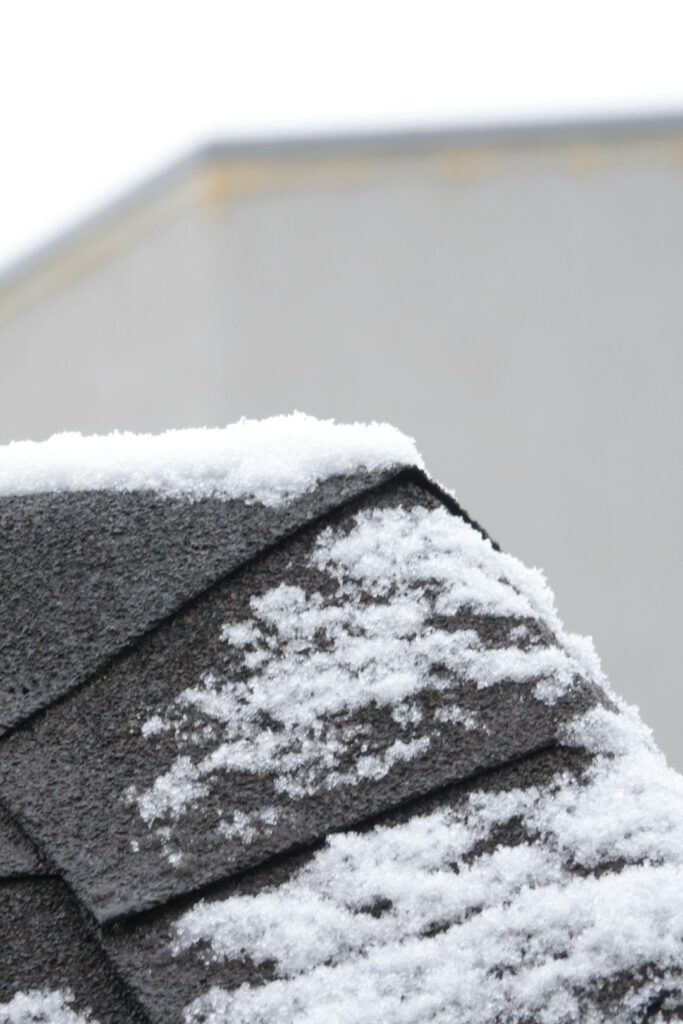
Asphalt shingles remain the most common residential roofing material because they are relatively affordable, widely available, and compatible with many roof designs. They are offered in basic three-tab styles and thicker architectural or laminated versions.
Advantages include:
- Lower initial cost than many premium materials
- Straightforward installation on many sloped roofs
- Many colors and styles
- Easier replacement of damaged sections
- Moderate resistance to wind, rain, and winter weather when properly installed
Drawbacks include:
- Shorter service life than slate, some metal systems, or high-quality tile
- Shingles can lose granules as they age
- Dark colors may absorb more summer heat
- Wind, falling branches, and improper attic ventilation can shorten their life
- Ice-related damage may occur if flashing, ventilation, or underlayment is inadequate
Architectural shingles generally provide a more dimensional appearance and may have better wind ratings than basic shingles, but the product label alone does not guarantee good performance. Installation details around valleys, chimneys, skylights, and roof edges matter greatly.
What are the pros and cons of metal roofing?
Metal roofing can be made from steel, aluminum, copper, or other alloys. Residential systems include exposed-fastener panels, concealed-fastener standing-seam panels, and metal shingles designed to resemble other materials.
Metal roofs are often chosen for their durability and ability to shed rain and snow. Smooth surfaces can reduce the time snow remains on the roof, although that can create a safety concern below roof edges. Snow guards may be appropriate over entrances, walkways, or areas where people regularly pass.
Advantages include:
- Long service life when properly selected and installed
- Strong resistance to fire, insects, and rot
- Lightweight compared with slate or concrete tile
- Good performance on many steep-slope roofs
- Broad color and style choices
- Potentially high recyclability at the end of its service life
Drawbacks include:
- Higher initial cost than common asphalt shingles
- Noise from rain or hail if the assembly lacks adequate insulation or underlayment
- Expansion and contraction can stress fasteners or seams
- Scratches or coating damage may eventually lead to corrosion
- Repairs can be more complicated if panels or matching finishes are unavailable
- Snow sliding from the roof can damage landscaping or create hazards
Metal is not automatically better for every home. Details such as corrosion resistance, fastener quality, seam design, underlayment, and compatibility with nearby materials are critical.
When does slate roofing make sense?
Natural slate is a stone roofing material known for its appearance and exceptionally long potential service life. It can suit older homes, formal architecture, or houses designed to support a substantial roof covering.
Advantages include:
- Very long service life when properly installed
- Strong resistance to fire, rot, and insects
- Distinctive natural appearance
- Excellent resistance to many forms of weathering
Drawbacks include:
- High material and installation cost
- Considerable weight
- Brittle surfaces that can crack if walked on improperly
- Specialized repair requirements
- More difficult replacement if the original quarry or color is no longer available

Before choosing slate, the roof structure should be evaluated for the added dead load. Synthetic slate may provide a similar appearance with less weight, but its performance varies by product and installation system.
Are wood shingles or shakes suitable for this climate?
Wood shingles and shakes provide a natural appearance and can work well with certain architectural styles. Cedar is commonly associated with these systems because it has natural resistance to decay when properly maintained.
Their disadvantages become more noticeable in wet, shaded, or poorly ventilated locations. Wood can absorb moisture, support mildew, and deteriorate if leaves remain trapped against the surface. Fire resistance also varies, so applicable building requirements and product ratings should be reviewed.
Wood roofing generally requires more maintenance than asphalt or metal. It may be a poor fit for homeowners seeking a low-maintenance roof, especially where nearby trees create persistent shade and debris.
What about clay or concrete tile?
Tile roofing can be made from clay or concrete. It offers strong fire resistance, a distinctive appearance, and a long potential service life. Concrete tile is usually heavier than many alternatives, while clay tile can be brittle if mishandled.
Advantages include:
- Long service life when properly installed
- Resistance to rot and insects
- Strong fire performance
- Good resistance to sunlight and color fading
- Architectural character that can complement specific home designs
Drawbacks include:
- Significant weight
- Higher installation cost
- Risk of cracking from impact or improper foot traffic
- More demanding structural requirements
- Limited suitability for some roof shapes and slopes
Tile is less common on homes designed for lighter roofing materials. Structural capacity and underlayment details should be addressed before installation.
Which materials work for low-slope roofs?
Low-slope roofs require different systems because water drains more slowly. Traditional shingles are often unsuitable below their required minimum slope unless the roof design includes an approved method.
Common low-slope options include modified bitumen, built-up roofing, and single-ply membranes such as thermoplastic or synthetic rubber systems. These materials can work well on porch roofs, additions, and buildings with nearly flat sections.
Their performance depends heavily on seams, penetrations, drainage, and the condition of the roof deck. Ponding water, clogged drains, and poorly sealed edges can shorten the life of any low-slope system.
How should a homeowner compare roofing materials?
A useful comparison should include more than the price per square foot. Consider:
- Expected service life
- Weight and structural requirements
- Performance under snow, ice, and wind
- Required roof slope
- Ease of locating matching repair materials
- Maintenance frequency
- Fire and impact ratings
- Appearance over time
- Disposal or recycling considerations
- Compatibility with existing flashing and ventilation
The least expensive material may have the lowest initial cost but require replacement sooner. A premium material may last much longer, yet its additional weight, repair complexity, or installation requirements may not suit every house.
For many local homes, the best decision is the material that fits the roof design, structural capacity, maintenance expectations, and winter conditions—not simply the material with the longest advertised lifespan.
