
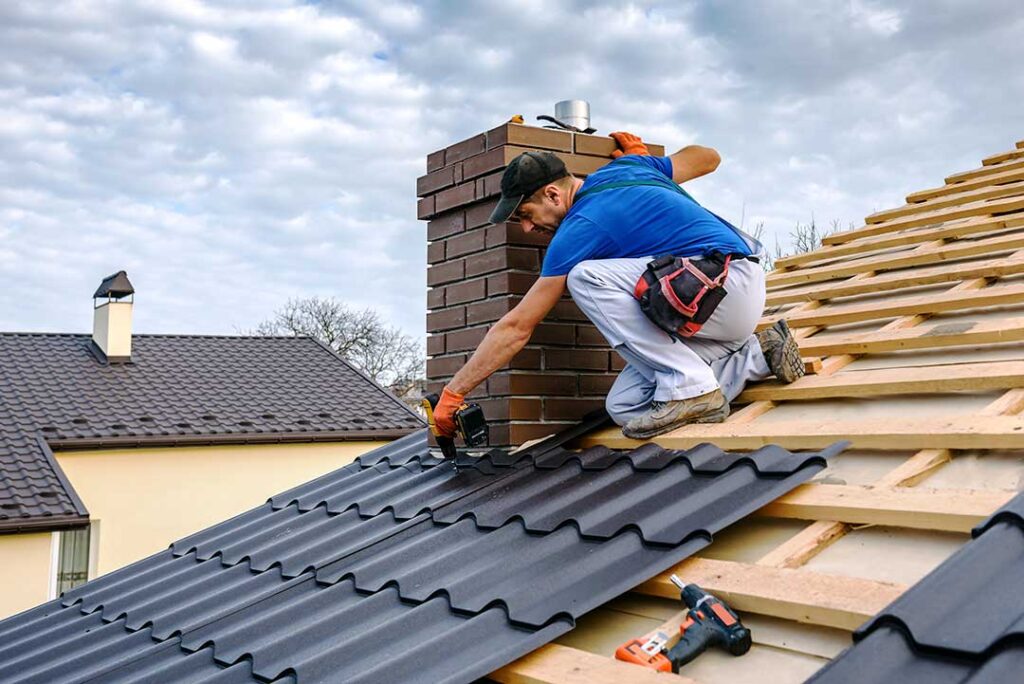
How Do Local Building Codes Impact Your Roofing Project?
Local building codes in Fayetteville, NY set the minimum safety, structural, and material standards for roofs. These regulations are designed to protect homeowners and the broader community by ensuring roofing work withstands the area’s specific climate, environmental conditions, and construction practices. By following local codes, residents help prevent roof failures, water intrusion, and hazards that could affect property and neighboring homes.
In Fayetteville, codes reflect real risks, such as heavy snowfall, seasonal freeze-thaw cycles, and variable winds. Houses that follow these codes are far less likely to suffer damage during common weather events.
What Are Common Roofing Requirements in Fayetteville?
Most houses in the city are subject to a set of building code stipulations adapted from New York State’s residential code, with additional municipal rules. Typical expectations for roofing projects include:
- Specific standards for roof decking materials and installation
- Mandatory use of ice and water barriers, especially at eaves and valleys (to mitigate winter ice dam risks)
- Requirements for ventilation to prevent moisture buildup in attics
- Guidelines for the minimum pitch depending on roof material
- Specifications for flashing and underlayment
- Mandated nailing and fastening patterns to withstand local wind loads
These details are regularly updated to keep up with advances in materials and construction knowledge. Neglecting even small details—such as using the wrong fasteners or skipping underlayment—can result in non-compliance and problems with insurance.
Why Do Codes Change Based on Local Climate?
Building codes aren’t generic; they address local challenges. Fayetteville’s roof code requirements directly respond to:
- Significant annual snowfall, which can cause ice dams, leaks, and structural overload if roofs aren’t constructed properly
- Temperature swings that can cause roofing materials to expand, contract, and deteriorate unless those materials are approved for such cycles
- Periodic high winds and wind-driven rain, which require stronger anchoring and better sealing of roof components
Homeowners sometimes underestimate how these factors interact, but long-term issues often trace back to overlooked details like insufficient attic ventilation or the absence of ice barriers.
Do I Need a Permit for Roof Work in Fayetteville?
Most substantial roofing projects—such as new roof installations, significant repairs, or structural changes—require a permit from the city. Permits serve several purposes:
- They prompt a review of proposed work for code compliance.
- Required inspections after or during installation catch code violations before they become bigger issues.
- Proper documentation via permits protects property value and is usually necessary for insurance claims and real estate transactions.
Some minor repairs may not need permits, but changing roofing material, adding skylights, or altering roof structure always does.
How Can Non-Compliance Affect Homeowners?

Failing to meet local building codes can have lasting repercussions:
- Code violations may force costly corrections or complete re-roofing
- Home insurance claims may be denied if damage is linked to non-compliant work
- Home sales can be delayed or fall through if code documentation is missing
- Unsafe roofs place household members and neighbors at risk
Common misconceptions include assuming old work is "grandfathered in" for future repairs—when, in reality, significant updates often require full code compliance at the time of the new work.
Are There Exceptions or Special Rules for Older Homes?
Historic or older homes make up a significant portion of the housing stock in Fayetteville. While some allowances exist for homes built under previous codes, major reroofing or structural alterations usually need to meet current requirements. The city’s code office can provide guidance on cases where materials or methods must differ due to structural or preservation concerns.
Local officials may need to inspect the existing structure to approve modifications, especially if load-bearing elements, rooflines, or original features are involved.
What Can Homeowners Do to Prepare?
Before planning roof work, residents can:
- Review current zoning and building requirements available on the city’s website or through the code enforcement office
- Confirm whether a permit is required for the intended project scope
- Gather records of prior roof work for reference, especially if selling or insuring the property
- Ensure attic and roof areas are accessible for inspections
For most owners, understanding these rules helps maintain property value, avoid stress during emergencies, and protect the safety of everyone living in the home.
