
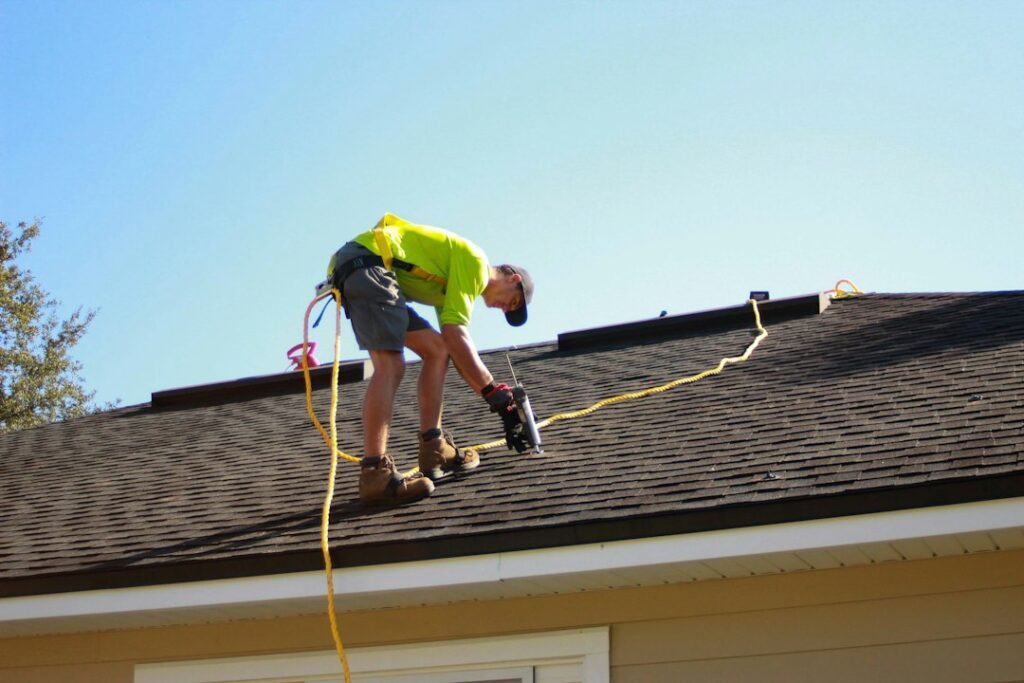
What shortens a roof’s life?
A roof usually ages faster because of repeated moisture, poor ventilation, blocked drainage, storm damage, or delayed repairs—not simply because it reaches a certain number of years. Regular observation and timely maintenance can help roofing materials perform closer to their expected service life.
Homes in Fayetteville, NY experience several conditions that can stress a roof over time, including snow, freezing temperatures, rain, wind, summer heat, and repeated freeze-thaw cycles. Water may enter small openings, freeze, expand, and gradually worsen damage around shingles, flashing, chimneys, skylights, and roof edges.
The most effective maintenance plan focuses on five areas:
- Keeping water moving away from the roof
- Preventing attic moisture and excessive heat
- Identifying damage early
- Reducing the effects of snow and ice
- Avoiding unnecessary foot traffic and improper repairs
How often should a roof be inspected?
A practical schedule is to look over the roof from the ground twice a year—typically in spring and fall—and after unusually strong wind, heavy snow, or hail. A closer inspection may be appropriate when warning signs appear inside the house.
A ground-level check can reveal:
- Missing, lifted, cracked, or curling shingles
- Dark areas that may indicate wet materials or surface wear
- Loose or damaged flashing around roof openings
- Sagging rooflines or gutters
- Excessive granules collecting near downspouts
- Moss, algae, or plant growth
- Debris resting on the roof
The attic and upper floors also provide useful clues. Water stains, damp insulation, musty odors, peeling paint, mold-like growth, or daylight visible through the roof deck may indicate a problem above. Not every roof leak appears directly beneath the entry point because water can travel along framing before becoming visible.
Walking on a roof is not necessary for routine observation. It can damage shingles, create a fall hazard, and disturb areas that are already weakened.
Why do gutters and downspouts matter?
Gutters and downspouts protect the roof edge, exterior walls, foundation, and nearby landscaping by directing rain and melted snow away from the house. When they become clogged, water can back up beneath the roofing edge or spill against fascia boards.
Clean gutters at least seasonally and check them more often if the property has overhanging trees. Downspouts should discharge water far enough away from the foundation to prevent pooling. Extensions should remain connected and pointed away from the home.
Look for:
- Gutters pulling away from the fascia
- Rusted seams or visible holes
- Water overflowing during rain
- Soil erosion below downspouts
- Sagging sections that hold standing water
- Ice buildup along the eaves during winter
Gutter cleaning involves ladders, wet surfaces, and overhead hazards. If access is unsafe, the task should not be treated as a routine do-it-yourself project.
Can attic ventilation extend roof life?
Yes. Proper attic ventilation helps reduce moisture buildup and limits extreme temperature differences that can contribute to condensation, ice dams, and premature deterioration of roofing materials.
A balanced system generally uses intake ventilation near the eaves or soffits and exhaust ventilation near the roof peak or upper roof area. Blocking soffit vents with insulation, paint, dust, or stored items can interfere with airflow. Exhaust fans from bathrooms, kitchens, or clothes dryers should discharge outdoors rather than into the attic.
Attic ventilation should not be viewed as a substitute for air-sealing. Warm, moist household air can enter the attic through gaps around light fixtures, plumbing penetrations, attic hatches, and ductwork. Insulation can also become damp if a roof leak is left unresolved.
Signs of an attic moisture problem include:
- Frost on roof framing during cold weather
- Wet or compressed insulation
- Rusted nails or metal fasteners
- Mold-like staining on wood
- Condensation around roof vents
- A persistent damp smell

Any air-sealing or insulation work should be planned around existing leaks. Covering wet materials without correcting the source can hide damage and make it harder to identify later.
How can ice dams and snow damage be reduced?
Ice dams form when melting snow refreezes near colder roof edges. The resulting ice can prevent water from draining normally and may allow it to move beneath shingles. They are more likely when attic heat escapes unevenly through the roof.
Reducing ice-dam risk starts with controlling attic heat and moisture. Adequate insulation, sealed ceiling penetrations, clear soffit vents, and balanced ventilation all help maintain a more consistent roof temperature.
During heavy snow, avoid using sharp tools or chopping at ice. Scraping can tear shingles and damage flashing. Roof snow removal also presents a serious fall hazard, especially on sloped or icy surfaces. If snow is placing unusual stress on the structure or blocking essential drainage, a qualified and properly equipped worker may be needed.
Snow should not be piled against roof penetrations, gutters, exterior doors, or low roof sections. After a major storm, inspect the ground for fallen shingles, damaged trim, or broken branches.
What should be done about moss, algae, and leaves?
Leaves, pine needles, and other debris can trap moisture against roofing materials. Moss can lift shingle edges as it grows, while heavy organic buildup may obstruct valleys and drainage paths.
Remove loose debris carefully from the ground or from a safe access point. Do not pressure-wash asphalt shingles or scrub them aggressively. High-pressure water can remove protective surface granules and shorten shingle life.
Branches should be kept away from the roof where practical. Trees that rub against shingles can cause abrasion, while falling limbs can create punctures or cracks. Trimming work near roofs and utility lines may require specialized equipment and should not be attempted casually.
Which roof repairs should not be delayed?
Small defects often become more expensive when water reaches the roof deck, insulation, framing, siding, or interior finishes. Prompt attention is especially important after a storm or when water appears indoors.
Do not delay evaluation of:
- Active ceiling or wall leaks
- Missing shingles over exposed underlayment
- Torn or displaced flashing
- Sagging areas
- Large accumulations of granules
- Persistent damp insulation
- Damaged chimney or vent seals
- Gutters or fascia pulling away from the structure
Temporary measures may limit damage during an emergency, but they are not a permanent repair. Interior staining can dry while hidden wood or insulation remains wet.
Are roof coatings, sealants, and repairs always helpful?
No. Applying a coating or sealant over damaged roofing does not correct underlying problems such as poor ventilation, deteriorated flashing, trapped moisture, or a weakened roof deck. Some products may also interfere with future repairs or conceal the location of a leak.
Repairs should match the roofing material, roof design, age, and source of the problem. A replacement shingle that is not properly secured, a sealant applied to the wrong surface, or a vent installed without adequate flashing can create additional trouble.
The safest approach is to distinguish between maintenance that prevents damage—such as clearing drainage paths—and repairs that involve steep slopes, structural concerns, electrical hazards, or significant water intrusion. Those conditions warrant qualified assistance because both fall hazards and hidden building damage may be involved.
A roof lasts longer when its drainage, ventilation, flashing, and surrounding trees receive attention before a small defect becomes a larger failure. For area households, a spring inspection after winter, a fall cleanup before snow, and prompt response to leaks provide a sensible foundation for long-term roof care.
