
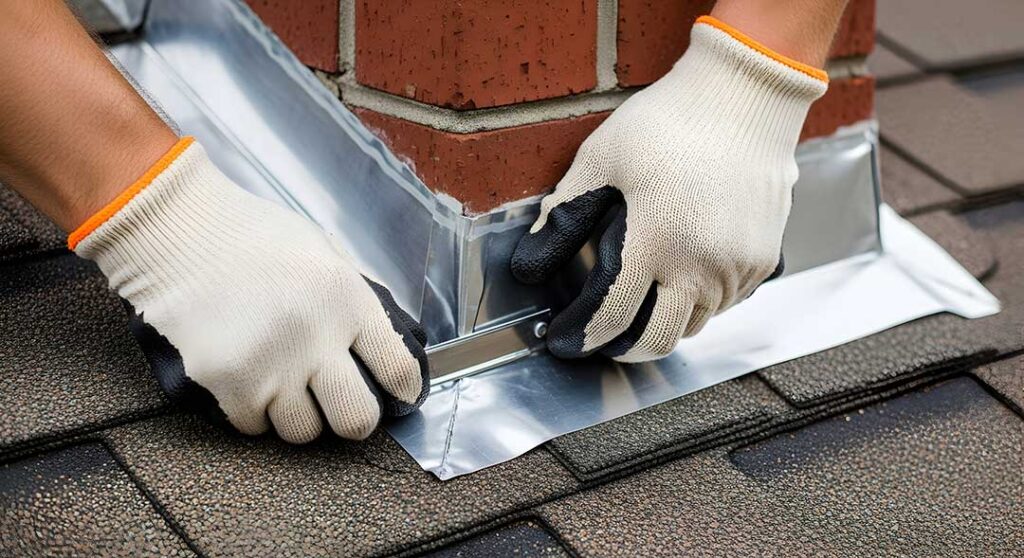
Can a Roof Replacement Actually Lower Energy Bills in Fayetteville, NY?
Yes, replacing an old or failing roof can help lower energy bills for many households in Fayetteville, NY. This effect is due to better insulation, reduced air leaks, and updated materials that work more efficiently with the region’s weather. The specific improvement in bill savings will depend on factors such as roof design, materials used, attic insulation, and the unique characteristics of each home.
Unlike cosmetic upgrades, a roof replacement directly affects a home’s structure and ability to maintain comfortable indoor temperatures. Older roofs often lose their insulating properties, letting heated or cooled air escape and forcing HVAC systems to work harder.
How Do Roofing Materials Affect Energy Use in the Local Climate?
Materials and color choices greatly influence energy efficiency—especially during Fayetteville’s seasonal shifts.
- Asphalt shingles, the most common roof material in the area, come in both standard and “cool roof” versions. Cool shingles reflect more sunlight, which can reduce attic heat buildup in summer.
- Metal roofing is gaining popularity for its reflective properties. Lighter-colored metal roofs can deflect sunlight and help maintain steady attic temperatures.
- Insulating underlayments and attic ventilation systems are often upgraded with new roofs. These technologies reduce energy transfer between the roof and living space.
Homes in Fayetteville experience warm, sometimes humid summers and cold winters, usually with substantial snowfall. Roofs designed or upgraded for local conditions keep heated air inside during winter and help avoid heat gain in summer.
What Signs Suggest a Roof Is Increasing Energy Bills?
Several clues indicate a roof may be contributing to high utility costs:
- Rooms that are hot upstairs but cold downstairs in winter, or the opposite in summer.
- Noticeable drafts near the attic or ceiling.
- Ice dams forming on roof edges during freezing weather (suggesting heat is escaping through the roof and melting snow, then refreezing).
- Moss, curling, or missing shingles that show a roof is aging or not watertight.
If attic insulation is adequate and windows are in good condition, rising energy bills could point to roof issues.
What Specific Energy-Saving Features Come with Roof Replacement?
A new roof can address multiple inefficiencies at once:
- Improved insulation: Many replacements include new or additional insulation at vulnerable areas, especially around eaves and ventilation pathways.
- Sealing leaks: Replacement stops drafts where old materials have degraded or parted.
- Modern ventilation systems: Ridge vents, soffit vents, and baffles control air flow and moisture, maintaining a balanced attic temperature year-round.
- Reflective shingles and coatings: These surfaces reflect sunlight and limit heat absorption during summer, reducing cooling needs.
- Better moisture control: Updated roof systems help manage condensation, which can lower energy use tied to dehumidification.
Is Roof Color an Overlooked Factor for Energy Costs?
Roof color does matter, though not as much as insulation or sealing leaks. Lighter roof surfaces tend to reflect more solar energy, reducing attic temperatures in summer. For Fayetteville’s cold climate, darker roofs can help absorb heat—but the difference is less pronounced during long, snowy winters when roofs are often covered.
Residents should prioritize roof quality and proper installation over color alone, but those looking for even minor efficiency gains may choose colors based on their typical energy use (more cooling versus more heating).
Are There Rebates or Incentives for Energy-Efficient Roofs in the Area?
While Fayetteville, NY does not always have targeted incentives just for roof upgrades, residents may be eligible for New York State or federal programs that reward energy-efficient home improvements. Some local utility companies offer insulation or efficiency rebates for qualifying upgrades made during a roof replacement, especially if attic insulation or ventilation is part of the project.
Many households discover these opportunities when researching energy efficiency projects—a reminder to check available programs through official state and utility resources when considering a new roof.
What Are Common Misconceptions About Roof Replacement and Energy Bills?
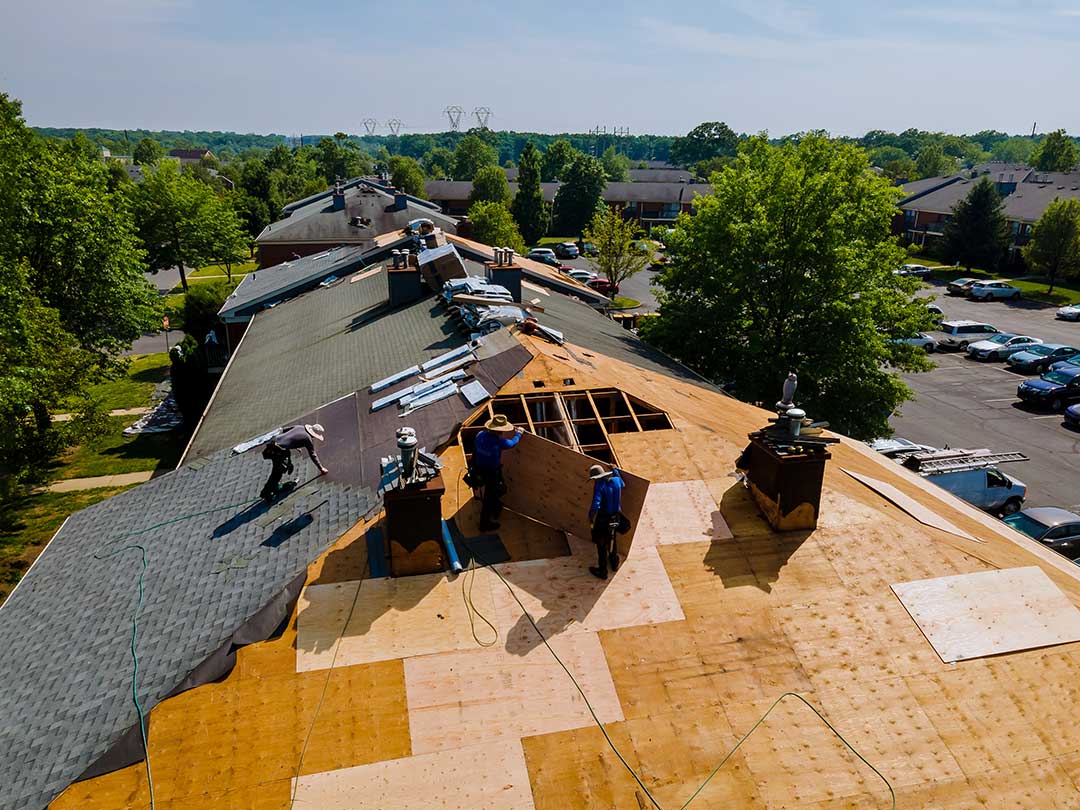
A few misunderstandings can cause residents to overestimate or underestimate a roof’s energy impact:
- Myth: “A new roof alone will cut heating and cooling costs in half.”
Reality: Savings often range from modest to significant, but results depend on the home's overall structure and insulation.
- Myth: “Roof color is the main factor.”
Reality: Proper insulation, attic ventilation, and elimination of air leaks contribute much more to savings than shingle color alone.
- Myth: “Old roofs only leak water.”
Reality: Air leaks and poor insulation also let heat and cold in or out, often having a bigger impact on utility bills than minor leaks.
What Practical Steps Can Residents Take Before and After Roof Replacement?
Those considering a roof replacement can:
- Check attic insulation and consider supplementing if it’s below regional recommendations.
- Observe any drafty areas or uneven heating/cooling patterns and mention them before work starts.
- Ensure new roof projects include an evaluation of attic ventilation and underlying damage.
- After replacement, monitor energy bills to track changes and ensure the expected improvements are realized.
How Quickly Might Residents Notice Energy Bill Changes After Replacing a Roof?
Many homeowners see some effect during the very first heating or cooling season after a roof replacement, especially if previous issues were severe. The greatest benefits are typically felt in older homes, or those where the prior roof was deteriorated. For most in Fayetteville, savings may come gradually across several seasons as the home’s overall energy efficiency improves.
Energy savings from a new roof can be an important but sometimes overlooked factor, especially in areas where climate swings make heating and cooling costs a real concern. For those planning to stay in their homes, considering roof replacement as a long-term investment in efficiency often makes sense—especially in a place with cold winters and humid summers like Fayetteville.
