
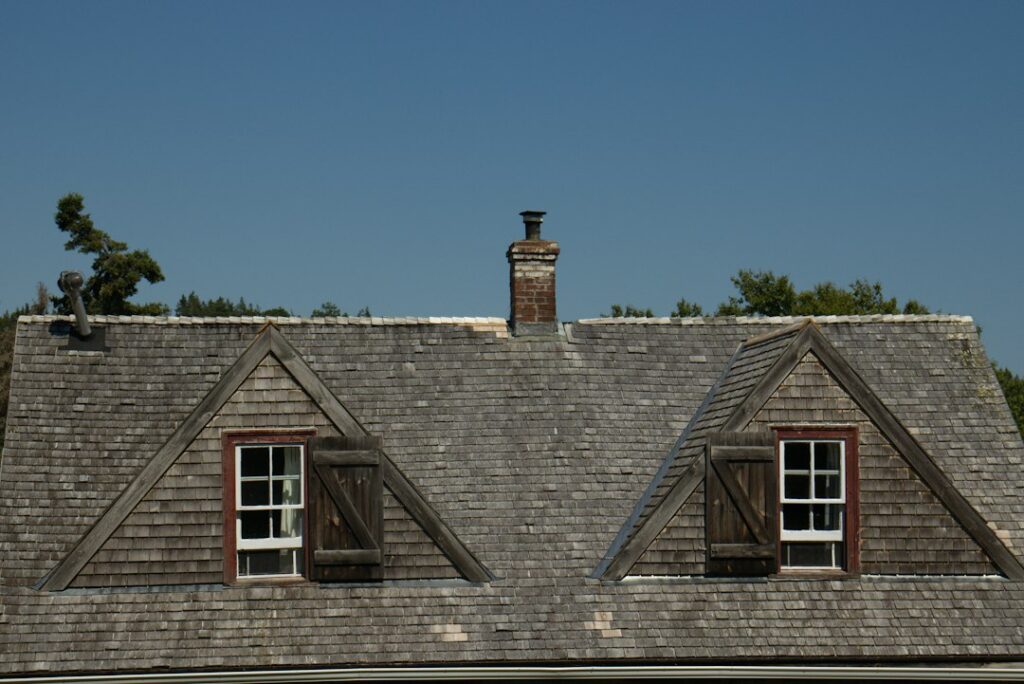
Why should a roof be inspected?
A roof inspection is a careful review of the roof system to identify damage, wear, drainage problems, and conditions that could lead to leaks. It is different from simply looking at the roof from the ground after a storm.
For homeowners in Fayetteville, NY, regular inspections are especially useful because roofs endure repeated seasonal changes. Snow, ice, freezing temperatures, spring rain, summer heat, falling branches, and freeze-thaw cycles can affect shingles, flashing, gutters, and roof edges in different ways.
An inspection does not always mean that repairs are needed. Often, it provides a clearer understanding of the roof’s condition and helps distinguish normal aging from problems that require attention.
How often should a roof be inspected?
Most homes benefit from a roof inspection at least once a year, along with an additional inspection after a major storm or unusual weather event. Late spring is often a practical time because winter conditions have passed and damage may be easier to identify.
An inspection may also be appropriate:
- After strong winds, heavy snowfall, ice buildup, or falling branches
- When water stains appear on ceilings or upper walls
- Before buying or selling a home
- Before installing solar equipment, skylights, or other roof penetrations
- When the roof is approaching the later part of its expected service life
- After nearby construction or tree work that could have affected the roof
A roof does not need to look obviously damaged from the street to have a problem. Small defects around flashing, valleys, vents, or roof edges can allow water to enter gradually.
Can homeowners inspect a roof safely?
Homeowners can perform a useful ground-level inspection, but climbing onto a roof carries fall risks and may damage roofing materials if done improperly. A safer approach is to inspect from the ground, attic, upper windows, and accessible areas around the home.
Look for:
- Missing, cracked, curled, or visibly damaged shingles
- Dark patches or areas that appear uneven
- Exposed underlayment, roof deck, or fasteners
- Sagging along the roofline
- Damaged or displaced flashing near chimneys, walls, vents, and skylights
- Granules collecting in gutters or at the base of downspouts
- Moss or algae growth that is holding moisture against the roofing surface
- Bent, detached, or clogged gutters
- Debris resting on the roof or gathered in valleys
Binoculars can help with a ground-level review. A camera with a zoom lens may also provide useful detail, but images should not replace a close inspection when damage is suspected.
Never walk on a roof that is wet, icy, snow-covered, steep, or visibly unstable. Ladders should not be used on uneven or slippery ground, and attic inspections should be postponed if there are signs of structural weakness.
What should be checked inside the attic?
The attic can reveal problems that are not yet visible in living areas. A roof inspection should consider both the exterior roof covering and the structure beneath it.
During a safe attic review, look for:
- Damp insulation or water staining
- Darkened wood around roof penetrations
- Daylight visible through the roof deck, except at intentional ventilation openings
- Mold-like growth or persistent musty odors
- Rusted nails or metal components
- Condensation on the underside of the roof deck
- Sagging or weakened decking
- Evidence of animals entering through roof openings
A water stain does not always appear directly below the point where water entered. Roof leaks can travel along rafters, roof decking, insulation, or wall cavities before becoming visible. For that reason, an interior stain should not be dismissed simply because the roof area directly above it looks intact.
Condensation is another commonly misunderstood issue. Moisture in an attic may result from inadequate ventilation, air leaking from the living space, bathroom exhaust discharging into the attic, or a roof leak. Identifying the source requires looking at the broader attic conditions rather than treating every damp spot as a shingle problem.
Which roof areas develop problems first?
Certain locations deserve extra attention because they experience more water flow, movement, or exposure.
Valleys
Roof valleys collect water from two sloping sections. Leaves, ice, and debris can obstruct drainage, while damaged materials in the valley may allow water to reach the underlayment or roof deck.
Flashing
Flashing seals transitions where the roof meets a wall, chimney, vent, skylight, or other structure. Rust, lifted edges, gaps, and cracked sealant can create leak paths.
Roof edges
Eaves and rakes are exposed to wind and water runoff. Ice dams can also place pressure along the lower edge during winter. Loose shingles or damaged edge metal should be addressed before water reaches the underlying structure.
Penetrations
Plumbing vents, exhaust vents, and other roof openings interrupt the roofing surface. Their seals and surrounding materials should be checked for cracks, movement, and deterioration.
Gutters and downspouts
A roof can shed water properly only if the drainage system carries it away. Clogged gutters may cause overflow against fascia boards, siding, windows, and foundations. Downspouts should discharge water far enough away from the foundation to reduce pooling.
What does storm damage look like?
Storm damage is not limited to missing shingles. Wind may lift or loosen shingles without removing them completely. Hail can leave dents, bruising, or small circular marks. Falling branches may crack the roof deck or create damage that is hidden beneath surface materials.
After a storm, check for:
- Shingles in the yard or around downspouts
- Fresh dents or impact marks
- Exposed nail lines
- Torn flashing
- Broken vents or skylight components
- Punctures from branches
- New interior stains or dripping water
- Gutter sections that have pulled away from the roofline

Photographs taken from the ground can document visible conditions and provide a useful record. Do not disturb suspected electrical hazards, enter an attic with active water intrusion near wiring, or walk beneath unstable branches.
Does an old roof always need replacement?
No. Age is one factor, but it does not determine the roof’s condition by itself. A roof may have remaining serviceable life if its materials are intact, drainage is functioning, and there are no significant structural or moisture problems.
Conversely, a newer roof may require attention if it was damaged by weather, has ventilation problems, or contains defects around flashing and penetrations.
A useful inspection should describe the type, location, and seriousness of observed conditions. It should distinguish between:
- Routine maintenance
- Localized repairs
- Monitoring over time
- Larger sections needing correction
- Structural or moisture damage requiring prompt action
This information is more helpful than a simple statement that a roof is “good” or “bad.”
When is immediate action necessary?
Some conditions should not wait for a routine inspection. Prompt attention is warranted when water is actively entering the home, the roof deck is sagging, a large section of roofing has shifted, or a tree has damaged the structure.
Interior warning signs include:
- Active dripping
- Bubbling or collapsing ceilings
- Spreading water stains
- Wet electrical fixtures
- Strong mold-like odors
- Doors or windows that suddenly bind near a leaking area
If water is near electrical wiring or fixtures, avoid touching the affected area and use caution around the room. Temporary measures may reduce additional damage, but they do not replace identifying and correcting the source of the problem.
What should a roof inspection report include?
A useful report should identify the roof’s general condition, visible defects, areas that were not accessible, and photographs when appropriate. It should also explain whether findings appear urgent, routine, or suitable for monitoring.
Homeowners may want clear answers to these questions:
- What was inspected?
- Were any areas inaccessible?
- Is there evidence of active leakage?
- Are problems related to materials, drainage, ventilation, structure, or maintenance?
- What should be addressed first?
- Which conditions can be monitored?
- Are interior attic or ceiling signs consistent with exterior findings?
Keeping inspection notes and photographs over time creates a maintenance history. That record can help homeowners recognize gradual changes, plan necessary work, and avoid making decisions based only on one season’s appearance.
