

How Do Different Roof Materials Age Over Time?
Each roof material used in Fayetteville, NY homes and buildings has unique aging characteristics influenced by central New York's distinct climate. Cold winters, seasonal freeze-thaw cycles, and humid summers play a significant role in how roofs show their age. Recognizing these signs allows homeowners and property managers to plan repairs and maintenance effectively.
What Does Aging Look Like on Asphalt Shingle Roofs?
Asphalt shingles are the most common roofing material in the area, favored for their affordability and relative ease of repair. Their typical lifespan ranges from 15 to 30 years depending on quality and weather exposure.
Key aging signs include:
- Curling or cupping edges—especially after harsh winters or summer heatwaves
- Bald spots where granules have washed away, leaving the underlying black substrate exposed
- Shingles that appear cracked, torn, or brittle when touched
- Discoloration or patchy appearance across the roof surface
Residents sometimes overlook gradual granule loss, which can accumulate in gutters or at downspout exits. This material protects shingles from UV and water damage. Excess granules found here suggest the roof may be nearing the end of its service life.
How Do Wood Shingles and Shakes Display Their Age?
Wood roofs are less common in the community but often seen on older or architecturally significant homes. Cedar and redwood are typical materials.
Signs of aging for wood shingles or shakes:
- Moss, lichen, or mold growth, which accelerates decay—an issue made worse by seasons of high humidity
- Splitting or curling of shingles, especially after years of freeze-thaw exposure
- Surface erosion that makes the wood appear grooved or feathered
- Soft or spongy feel when pressed, indicating rot beneath the surface
A common misconception is that all discoloration signals decay. Some color change can be normal weathering, but growths and wood softness require closer inspection.
What Aging Patterns Appear in Metal Roofs?
Metal roofing, including steel, aluminum, and copper varieties, is selected for longevity but still requires monitoring, especially in older installations.
Typical signs of wear:
- Fading paint or finish, exposing bare metal beneath
- Rust or corrosion at fasteners, seams, or valleys, particularly where snow and ice accumulate against metal edges
- Warping or lifting sections, sometimes caused by expansion and contraction cycles during season changes
- Loosened panels or missing fasteners, often after wind events or heavy ice loads
In the city’s tree-lined neighborhoods, regular accumulation of debris in roof valleys can trap moisture and hasten corrosion—an issue many area households miss when cleaning gutters.
What about Slate and Clay Tile Roofs?
Slate and clay tile roofs are prized for their durability and appearance. However, they are also heavy and can be vulnerable to specific issues in this climate.
Aging indicators include:
- Cracked, broken, or slipped tiles after a cycle of freeze and thaw
- Whitish efflorescence or staining, which looks like dusty residue
- Soft or crumbly mortar between tiles, allowing water intrusion
- Growth of moss or algae, especially on shaded roof slopes
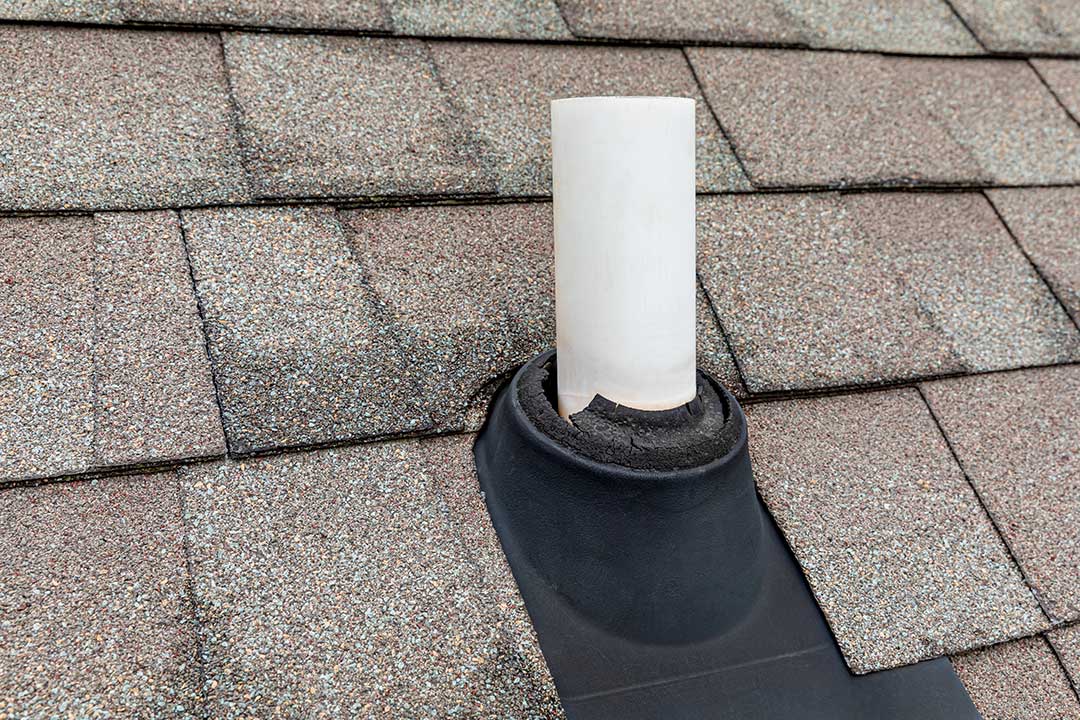
A common misbelief is that tiles themselves never wear out. While slate and tile are long-lasting, their supporting structures—such as underlayment and fasteners—may age or fail much sooner, leading to leaks or tile displacement.
How Do Flat or Low-Slope Roofs Show Deterioration?
Flat roofs, typically found on additions, porches, or commercial buildings in Fayetteville, age differently than pitched roofs.
Watch for:
- Blistering or bubbling in the roof membrane, often seen after snowmelt or heavy rains
- Pooling water that does not fully drain after 48 hours, increasing the risk of leaks
- Cracks or exposed seams in rubber, modified bitumen, or built-up roofing systems
- Vegetation growth in accumulated debris, which suggests poor drainage
It's essential for local residents to clear debris and check for standing water, especially after seasonal storms or snow accumulation, as these conditions significantly speed up deterioration.
Are There Early Signs of Roof Wear Many People Overlook?
Yes, subtle early signs are often missed until more visible problems arise. Examples:
- Sagging rooflines, suggesting hidden leaks or compromised support beams
- Persistent mildew smell in attics or upper rooms, even without obvious roof leaks
- Gutter granules or shingle debris, signaling surface erosion above
- Small interior stains on ceilings or upper-level walls, which may indicate roof penetration
Neglecting attic ventilation or insulation is another hidden factor. Poor airflow can cause shingles to overheat and age prematurely, while trapped moisture contributes to wood rot and mold—issues relevant through the city’s seasonal temperature swings.
Does Local Climate Affect How Quickly Roofs Age?
Absolutely. The wide temperature shifts between seasons, high snow loads, springtime winds, and humid summer days in Fayetteville all influence roof lifespan. Those living near tree canopies or in older housing stock may see accelerated wear from falling debris and ice dams.
Residents sometimes believe that roofs age only due to age alone, but in reality, local weather conditions and upkeep habits make just as much difference. Routine checks—especially after major weather events—can help catch early damage regardless of roof type.
