
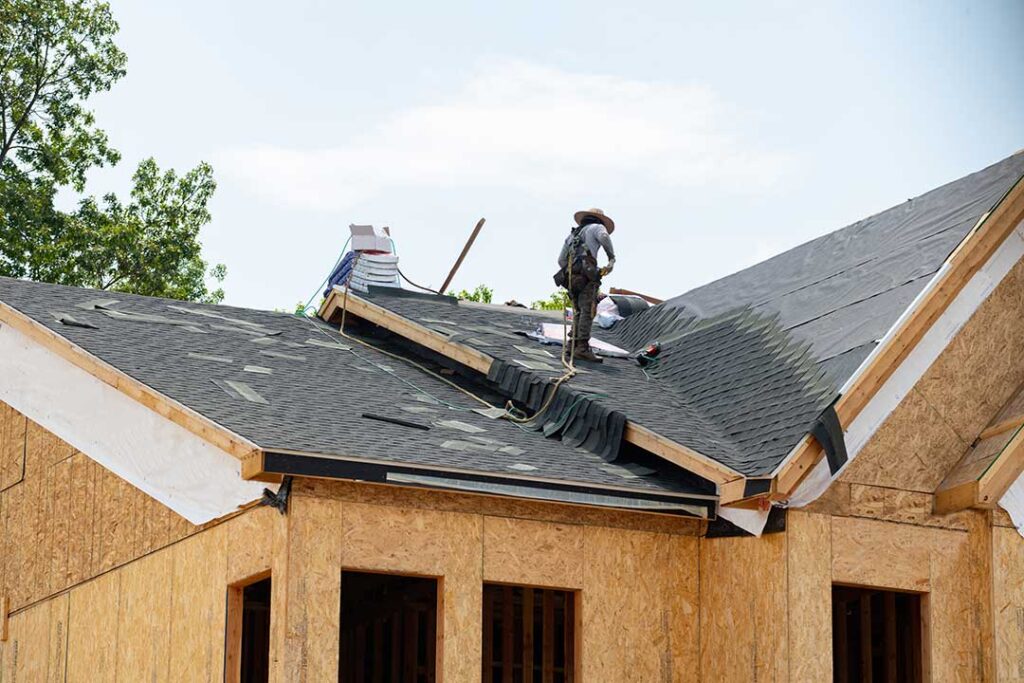
For homeowners in Fayetteville, NY, understanding how roof damage interacts with an insurance policy can prevent confusion after a storm. Coverage usually depends on what caused the damage, the roof’s condition before the event, the policy’s deductibles, and whether repairs were made promptly to prevent additional loss.
Does homeowners insurance cover roof damage?
Usually, homeowners insurance covers sudden roof damage caused by a covered event, such as wind, hail, falling objects, fire, or the weight of snow or ice. It generally does not cover gradual deterioration, poor maintenance, defective installation, or damage that existed before the insured event.
The wording of the policy controls the decision. Two roofs may look similar after a storm, but the claim outcome can differ if one roof was well maintained and the other had long-standing leaks or advanced deterioration.
A policy may cover:
- Roof damage caused directly by wind or hail
- Interior water damage that results from a covered roof opening
- Damage from a tree or large branch that falls during a covered event
- Temporary measures needed to keep additional rain or snow from entering
- Additional living expenses if covered damage makes the home temporarily unlivable
The insurer may deny or limit payment if the investigation finds that the roof failed because of age, rot, repeated leaks, neglected repairs, or another excluded condition.
Does insurance pay for an old roof?
Not necessarily. Roof age alone does not automatically determine coverage, but it can affect both eligibility and the amount paid.
Some policies settle covered roof losses based on replacement cost. Others apply actual cash value, which subtracts depreciation based on age and condition. For example, if an older roof has a replacement cost of $15,000 but is assigned $6,000 in depreciation, the initial covered amount may be much lower under an actual-cash-value provision.
A policy may also contain special limits for roofs above a certain age or for specific roofing materials. The declarations page may not show every detail, so the full policy wording and endorsements matter.
Before a loss, homeowners should look for terms such as:
- Replacement cost
- Actual cash value
- Roof-surfacing limitation
- Wind or hail exclusion
- Matching or uniform-appearance provisions
- Cosmetic damage exclusion
- Settlement or depreciation language
The insurance company may also request information about the roof’s installation date, prior repairs, inspection history, or maintenance records.
How do wind, hail, and snow affect a claim?
The region’s cold winters, freeze-thaw cycles, heavy snowfall, and occasional high-wind events can place different kinds of stress on a roof. A claim generally depends on whether the weather event caused a sudden, identifiable loss.
Wind may lift shingles, damage flashing, or cause a tree limb to strike the roof. Hail may bruise shingles or damage metal components. Snow and ice can contribute to collapse, ice dams, or water intrusion, although coverage varies based on the specific cause and policy language.
An ice dam is not automatically covered simply because it forms during winter. If water backs up behind ice and enters the home, the policy may respond differently depending on the resulting damage, exclusions, and whether the condition developed gradually.
Photographs taken after severe weather can help document the timing and visible condition of the roof. Avoid walking on a steep, icy, or visibly damaged roof. Ground-level photographs and interior documentation are safer starting points.
What is the deductible for roof damage?
The deductible is the amount the homeowner pays before insurance contributes to a covered loss. A standard deductible may apply to many claims, but some policies include separate windstorm or hurricane deductibles.
New York’s Department of Financial Services explains that windstorm deductibles commonly range from 1% to 5% of the dwelling’s insured value or another amount specified by the policy. A 2% deductible on a home insured for $300,000 would equal $6,000, not $300. ([dfs.ny.gov](https://www.dfs.ny.gov/consumers/help_for_homeowners/insurance/basic_coverage?utm_source=openai))
The deductible shown on an insurance card or billing statement may not tell the whole story. Check the declarations page and endorsements for:
- The standard all-peril deductible
- A windstorm deductible
- A hurricane deductible
- Whether the deductible applies to the dwelling, a percentage of insured value, or another basis
- Whether separate deductibles apply to the roof, contents, or additional structures
A deductible is not a repair quote. It is the homeowner’s share of a covered loss.
Does insurance cover leaks from an aging roof?
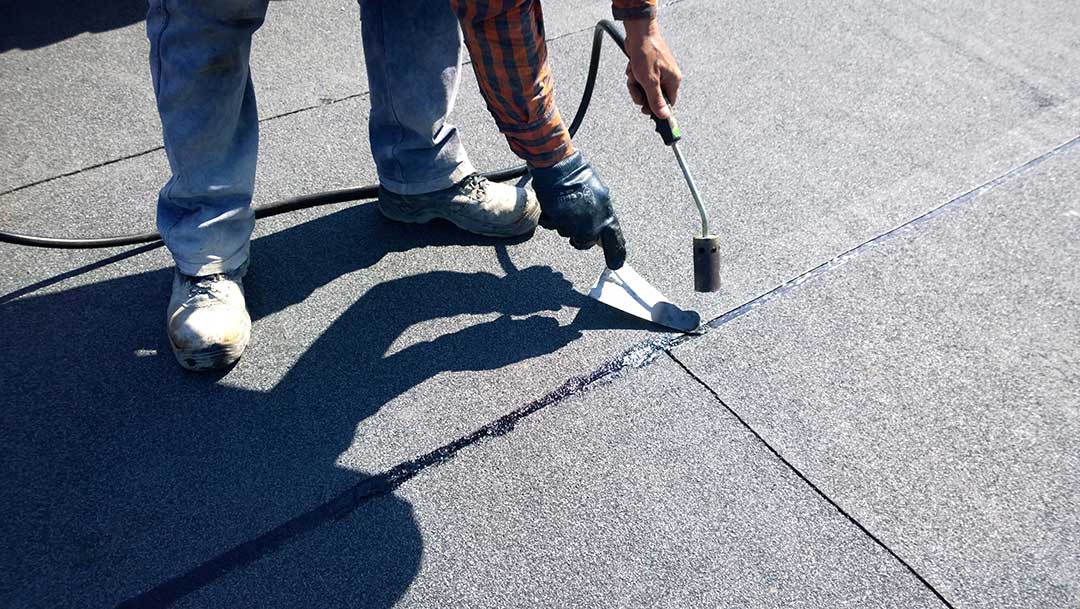
Usually, insurance is designed for sudden and accidental damage, not routine roof maintenance. A slow leak caused by worn shingles, deteriorated flashing, or an aging pipe boot may be excluded.
However, the policy may cover resulting interior damage in some situations if a covered event created the opening. For example, wind may remove shingles and allow rain to enter. The roof repair and interior repairs may be evaluated separately, depending on the policy and the evidence.
This distinction is often misunderstood:
- The original roof defect may be excluded.
- Damage caused by a covered event may be covered.
- Damage that developed over months or years may be excluded.
- A failure to take reasonable steps to limit further damage can reduce or complicate payment.
What should a homeowner do after storm damage?
First, protect people and avoid hazardous areas. If water is entering, place containers under active leaks and move belongings away from the affected area when safe.
Next, document the condition before making permanent repairs:
- Photograph the roof from the ground if possible.
- Photograph ceiling stains, wet insulation, damaged walls, and affected belongings.
- Record the date of the storm and when the damage was discovered.
- Save receipts for emergency materials and temporary protection.
- Keep damaged materials when practical, unless they create a health or safety hazard.
- Report the loss according to the policy’s notice requirements.
New York guidance states that homeowners are responsible for taking reasonable steps to protect property from further damage, but permanent repairs generally should wait until the insurer has had an opportunity to inspect the loss. Emergency repairs may be appropriate when needed to protect health, safety, or the home. ([dfs.ny.gov](https://www.dfs.ny.gov/consumers/disaster_flood?utm_source=openai))
Do not exaggerate damage or assume every visible problem came from the latest storm. Clear documentation is more useful than a broad claim that the entire roof was damaged.
Does homeowners insurance cover flooding through the roof?
Standard homeowners insurance generally does not cover flood damage. Flood insurance is usually separate, while rain entering through a wind-created opening in a roof may be treated as windstorm damage rather than flood damage. The distinction depends on how the water entered and the policy definitions. ([dfs.ny.gov](https://www.dfs.ny.gov/consumers/help_for_homeowners/insurance/basic_coverage?utm_source=openai))
For example, rain that enters through shingles blown off during a storm may be evaluated under the homeowners policy. Water rising from an overflowing waterway or accumulating on normally dry land is generally considered flood damage and typically requires separate flood coverage.
Water backup and sewer backup are also different from flood coverage. They may be available through an endorsement, but they are not automatically included in every policy.
Can a new roof affect insurance costs?
Possibly. A newer roof may reduce underwriting concerns and may qualify for an insurance discount, depending on the insurer, materials, installation details, and local rating rules. New York’s Department of Financial Services identifies roof improvements and certain wind-resistance features as measures that may be considered for savings or risk reduction. ([dfs.ny.gov](https://www.dfs.ny.gov/consumer-insurance-discounts-savings?utm_source=openai))
Keep records showing the roof’s installation date, material, contractor documentation, permits when applicable, warranties, and photographs taken during installation. These records can help establish the roof’s condition and may be useful when updating coverage.
Review the policy annually, especially after a roof replacement, addition, insulation project, or other major improvement. Coverage should reflect the estimated cost to rebuild the home, not simply its market value or land value. ([dfs.ny.gov](https://www.dfs.ny.gov/consumers/help_for_homeowners/storm_preparedness?utm_source=openai))
What is the most useful insurance check to make now?
Read the declarations page and confirm the roof-related details before a loss occurs. Pay particular attention to the deductible, valuation method, exclusions, roof-age requirements, and whether wind or hail damage is treated differently.
A short file containing roof photographs, maintenance records, receipts, and the current policy can make the claims process more orderly. For households dealing with winter snow, spring rain, falling branches, and freeze-thaw conditions, that preparation is often more valuable than trying to interpret coverage for the first time after water has already entered the home.
