
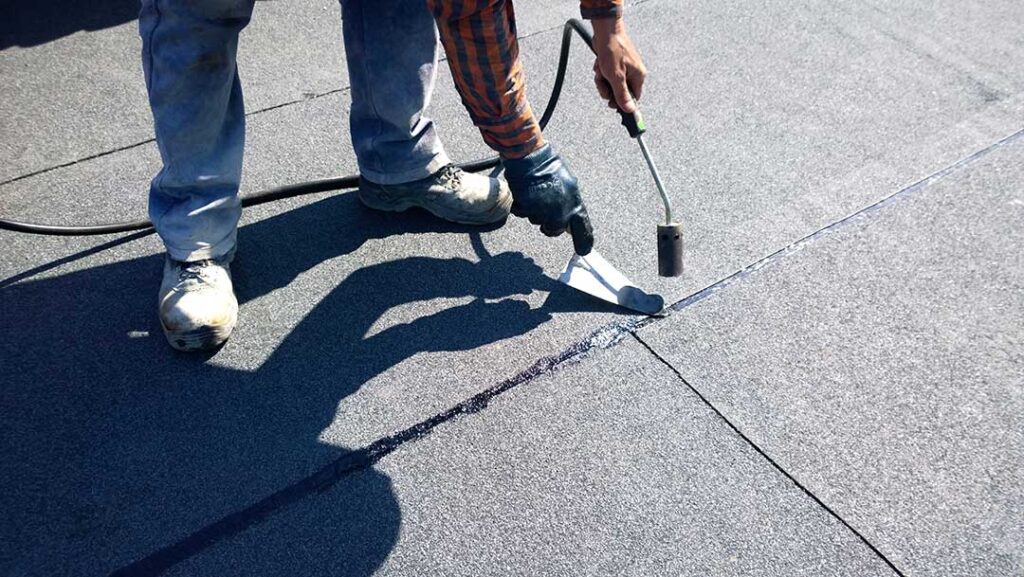
What Does a Roof Warranty Typically Cover?
A standard roof warranty helps protect homeowners from certain defects or problems that can arise after a new roof is installed. Most warranties fall into two categories: manufacturer warranties, which cover roofing materials, and workmanship warranties, which cover installation errors.
In Fayetteville, with its mix of older and newer homes and regular freeze-thaw cycles, understanding what your warranty includes is essential. Typical manufacturer warranties may cover:
- Defects in shingles or other roofing materials
- Premature aging of roofing products
Workmanship warranties, commonly offered by the installer, usually address:
- Problems caused by installation errors
- Issues stemming from poor sealing, flashing, or alignment
However, many warranties do not cover damage from severe weather, neglect, or missed roof maintenance, all of which are especially relevant during central New York's icy winters and stormy springs.
How Can You Check if Your Roof Is Still Under Warranty?
To determine if your roof is protected, start by locating your original roofing contract and warranty documents. These are often provided at the end of the project, and should specify coverage length and terms.
If you can't find the paperwork, you can often:
- Check with the homebuilder if your house is newer and you are the original owner
- Locate identifying information on the shingles (sometimes printed beneath loose tiles)
- Contact the manufacturer with your address and any serial numbers found, as some manufacturers log installations by location or product batch
Documenting when your roof was installed is important. Most manufacturer warranties last 25-50 years, but coverage can decrease significantly after a set period. In some cases, warranties can transfer to new homeowners within a certain timeframe, which is helpful for Fayetteville residents who have recently purchased their property.
What Circumstances Are Commonly Excluded from Roof Warranties in Fayetteville?
Many residents assume warranties provide blanket protection, only to discover certain problems are not covered. Common exclusions include:
- Storm damage from hail, wind, or fallen branches—a frequent concern during Nor’easters or summer thunderstorms
- Leaks or failures caused by clogged gutters, ice dams (especially common in the area), or improper attic ventilation
- Modifications or repairs completed by anyone other than a certified installer or the original contractor
- Damage from moss, algae, or fungus—moist conditions in the city can speed up these issues
Understanding these exclusions can help you plan routine roof checks and preventative care to avoid voiding your coverage.
How Do Transferable Warranties Work for Local Homebuyers and Sellers?
Some manufacturer warranties are transferable to new owners, an appealing feature for anyone buying or selling a home in this community.
Most transferable warranties allow for one transfer, usually within a set timeframe (often 10 years of installation). After transfer, some benefits may be reduced or prorated. Sellers should provide all warranty documents to buyers at closing, ensuring a smoother transfer and ongoing coverage for the new owners.
Buyers are encouraged to request this paperwork and verify transfer deadlines, since transferring after the specified period typically results in loss of coverage.
What Steps Should You Take if You Need to Make a Roof Warranty Claim?
If you suspect an issue that might be covered, document the problem immediately. This includes:
- Date-stamped photographs of the affected area
- Copies of maintenance records or inspection reports
- A summary of any recent severe weather events that may have contributed
Next, carefully review your warranty documents for specific instructions on filing a claim. Most require you notify the warranty provider within a certain number of days of discovering the issue.
Your claim is less likely to be denied if you have:
- Kept up with recommended maintenance (such as clearing gutters)
- Avoided making unauthorized repairs or changes
- Followed the warranty’s stated procedures for service or notification
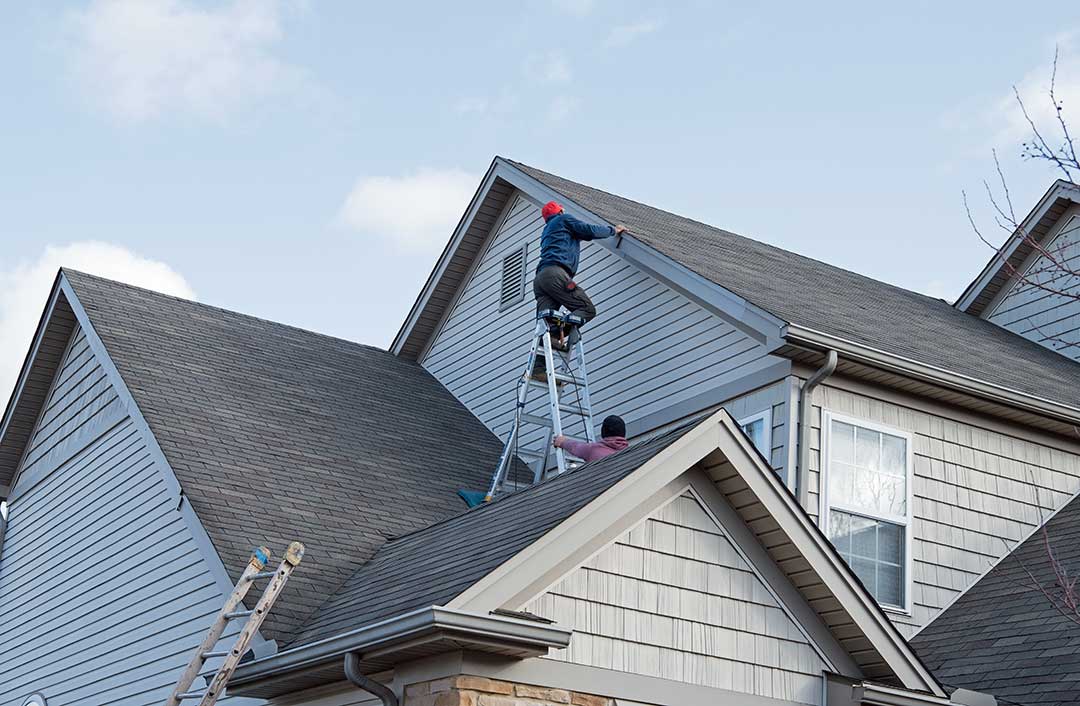
In the case of disputes, several manufacturers offer a mediation or review process. Documentation from professional inspections, particularly in the aftermath of a major storm, is often helpful for claims in this region.
Are Roofing Warranties Affected by Fayetteville’s Climate or Local Regulations?
Yes, the city’s seasonal climate has a real impact on roof longevity and warranty compliance. Heavy snow and ice, rapid temperature swings, and humid summers can lead to common problems like ice dams, shingle curling, and leaks. Warranties may specify the need for:
- Adequate attic insulation and roof ventilation
- Proper gutter maintenance to prevent water backup
- Quick removal of ice and snow after major storms (when safe to do so)
In some cases, local codes or homeowners’ association rules can impact warranty requirements, especially if roof modifications are made. Reviewing these local rules before installing a new roof, replacing shingles, or making repairs can help prevent accidental voiding of your coverage.
What Are Some Misconceptions About Roof Warranties?
Residents often overestimate what their warranty will provide. A few misconceptions include:
- Believing all roof damage will be covered, regardless of the source
- Assuming a warranty always covers full replacement costs (many only pay for materials, not labor, especially after a few years)
- Thinking a warranty guarantees no maintenance is needed
- Expecting all warranties transfer automatically during a home sale
Taking time to read the full terms helps prevent surprises, especially since local weather can create unique risks not always covered by standard contracts.
How Can Area Homeowners Extend the Benefits of a Roof Warranty?
Those living in Fayetteville can take practical steps to keep warranty coverage valid and their roofs in good shape:
- Schedule regular visual inspections, especially after winter or major storms
- Clean gutters and downspouts seasonally to avoid water buildup near the eaves
- Address minor issues promptly, but only allow repairs by certified specialists
- Keep a records folder containing maintenance, inspections, and warranty paperwork
These small actions not only protect your home, but also ensure that warranty protection is available should any future issue arise.
